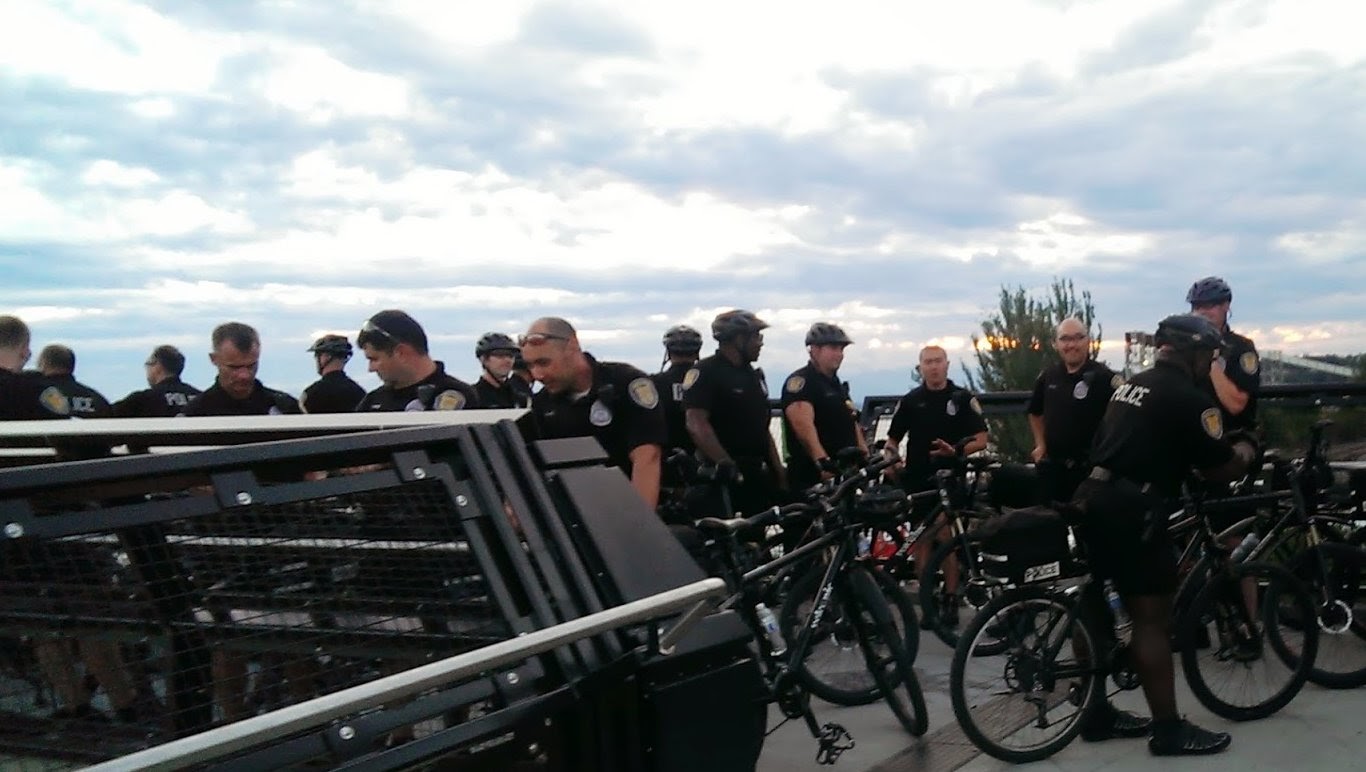
The Equality Filter: Legitimizing Civil Rights through Militarization

America is in the business of conflict. Since WWII, the US has been engaged in war, conflict, or police action for 66 of the last 72 years, and for 216 of the 237 years we’ve been a country our military has been fighting, killing, occupying, or threatening with nuclear weapons. “Terrorism” is now a ubiquitous and tired threat that induces a persistent low-level fear and passivity, which in turn secures consistent funding for the military and defense contracts.  The deployment of “precision military strikes,” drones, and soldiers overseas is premised on delivering justice or securing democracy, but in reality the U.S. Administration is usually dealing with the fallout of poor past policy decisions.

And yet… there have been some significant civil rights developments that were expedited through the war-making apparatus. Desegregation in the military preceded the ruling of 1954 Brown v. Board of Education of Topeka by several years. The repeal of Don’t Ask Don’t Tell (DADT) headed the repeal of DOMA, and the DOD has already surpassed the Federal government in providing universal benefits to the same-sex spouses of Active Duty military and retired veterans. After lifting the career-restrictive combat exclusion policy in January 2013, Congress and the Pentagon also recently announced the creation of gender-neutral standards for men and women serving in combat units will be signed into law. This is an enormous milestone for military women and their families, not to mention the greater implications of employment equality in other sectors.

So how can one reconcile the desire for a more just and equitable society while at the same time acknowledging that the recognition of individual and group civil rights has been, to a certain degree, facilitated by the military institution?

I face this dilemma having come from a family where military service is almost a family business (my mother, step-father, father, grandfather, uncles, and my husband have all served). I say this having served five years in the US Army myself.

While the military has been a bellwether of civil rights advancement in the U.S., it has more often facilitated America’s oppression of marginalized persons both here and abroad. Hazing, sexism, sexual harassment and sexual assault, racist practices, war crimes, extended occupations, “collateral damage,” indefinite detentions, and torturous interrogation techniques have been imprinted on the American psyche, normalized to a certain degree through media and pop culture glorification of war. The widespread deployment of the United States Armed Forces has made military occupation seem common place. The international opinion of America’s obsession with defense isn’t complimentary, but domestically the military culture is a very successfully propagated ideology. Support the troops! Patriotism! Sacrifice! Honor! America! Oh, and Bud light, football, and whatever other corporate interests latch onto the pro-military bandwagon to make some dollars.

Although specific military policies like the combat exclusion for women and DADT may seem to accelerate civil rights action in America when they are lifted or repealed, these policies may play a more harmful role in their very existence in the first place. Rather than acting as a mirror of society, simply reflecting the current national social temperament, the military institution is acting as the definer of civil rights and citizenship in broader American society. Presently, a significant argument to reform immigration is leaning heavily on the fact that many immigrants choose military service as a path to citizenship. Even undocumented family members of military members may avoid deportation because of their relationship to the service member, and there is also a campaign² to allow certain undocumented immigrants to enlist in the service. Military service establishes value in citizenship in otherwise disqualified individuals; military service compensates for other lacking characteristics. Conversely, groups prohibited from military service are diminished as citizens. Individuals in these groups are viewed as “less than” as long as they are defined so by the military institution, for those who aren’t permitted to participate fully in the military aren’t “real” citizens.

Legitimization of citizenship through military service is a troubling model: in order for a group’s rights to be widely recognized and accepted by society, they must first be filtered through the military institution. Definition of acceptable conduct in the military determines acceptable conduct in the greater civilian society. For example, the very concept of DADT was designed to allow gay women and men to serve in the military while “protecting” them from abuse or harassment (by placing a prohibition on homosexual activities or individual identification) but in fact DADT likely led to higher levels of abuse, isolation, and disenfranchisement because individuals were unable to report mistreatment without risking disclosure of their sexual orientation, and subsequently losing their jobs¹. This reinforced existing anti-gay prejudices, and legitimized the broader view that gay and lesbian Americans weren’t justified to equal rights or protections in the civilian sector. Similarly, the combat exclusion (which in recent years was largely disregarded) that “protected” female soldiers by prohibiting them from serving in combat roles acted instead as a method to reduce access to benefits and acknowledgement as legitimate troops. The policy also made it difficult for women who had served their country in the same combat zones as their male counterparts to obtain recognition and proper care and disability ratings when recovering from the same mental health issues. Again, this policy, along with the current selective service requirements, has had a larger impact outside of the military where women were not (are not) recognized as full citizens.

Transgendered individuals are facing enormous obstacles gaining social and legal equity; this is compounded by the fact that they are prohibited from serving in the military at all if they have had any surgical genital modifications, or if they disclose their transgender identity prior to or after enlisting. So unlike women and gay service members, transgendered individuals are granted no legitimacy as citizens whatsoever as defined by military. And for other populations that will never meet restrictive military service requirements (individuals with reduced physical or cognitive abilities, certain religious practices, advanced age, or mental illness), American society’s propensity for viewing citizenship through the lens of military normative characteristics may place those populations forever outside the reach of full citizenship.

It is past time that advances for gay soldiers and women are taking place in the military, and it’s certainly time to examine how best to integrate transgendered individuals into the service as well; the successful elimination of DADT and the positive progression for women in the service have both demonstrated that transgendered individuals should not be restricted from work as service members (or any other profession) based solely on their gender identification. The “right” to serve in the military should not be read as the “right” to full citizenship, nor should the military be able to establish service requirements that interfere with individual or group civil rights except with regard to mission readinessHowever, the rights of an individual should be recognized not through or because of the military institution, but as inalienable rights regardless of any institution.

1.A Federal court in California ruled that DADT was unconstitutional a full year before it was officially repealed.
2. http://www.letusserve.org/home/

What is the American Ideal?

When I went to work at McDonalds in 1998 I was 16. Young, white, and female, I’d barely finished my application before I was offered a job by the manager. “We would love to have a more “American” looking young lady like you working at the front of the store.”

She even told me I’d be making a dollar and a half more than most of the other employees, but asked me to keep that confidential in order to avoid any “conflict”. I was pretty naive, and had no idea what she meant by “American looking” until I started my shift a few days later. She meant “white.”

Some of the employees working in the back spoke very little English, but those who were obviously American but apparently not “American looking” told me they’d been asking for months to be on front register or drive-through, only to see their manager hire white people for the positions instead.

So this manager’s idea of “American” was white. Her racist euphemism for preferring white faces to brown faces was “American.” Similarly, we hear words like “traditional” and “good old fashioned family values” to describe a certain “American” ideal: White, heterosexual, and Christian.

Naturalized Identities are really successful at reinforcing ideology. If my main identity is American, that comes with it many concepts, assumptions, and expectations. It also can obstruct or rule out certain opportunities or life experiences based on what I think is “normal” behavior for people like me.

AWESOME NEWS!

Everything I am is constructed. All the groups with whom I identify – all the titles and attributes I assign to myself – Every single thing is simply an idea, a front. My identity is wrapped up in what I think other people think I am. The same is true of you and everyone we know.

OK, now I sound like some off-the-wall woo-woo philosopher, right? But think about it- we’ll start with something basic.

I am White

C’mon. You can tell by looking at me that I’m white, right? How is that a ‘construct’?

What is “White” or “Black” if not an identity constructed based on someone assigning value to the color of a person’s skin? I am only “white” if someone else is not. Similarly, another person is only “black” or “white” or “brown” when they are named so. Stuart Hall discusses the concept of identity in his piece “Cultural Identity and Diaspora”

Cultural identity […] is a matter of ‘becoming’ as well as of ‘being’. It belongs to the future as much as to the past. It is not something which already exists, transcending place, time, history and culture. Cultural identities come from somewhere, have histories. But, like everything which is historical, they undergo constant transformation. Far from being eternally fixed in some essentialised past, they are subject to the continuous ‘play’ of history, culture and power. Far from being grounded in a mere ‘recovery’ of the past, which is waiting to be found, and which, when found, will secure our sense of ourselves into eternity, identities are the names we give to the different ways we are positioned by, and position ourselves within, the narratives of the past.

I am American.

I am American because a group of men decided that America is a nation; these dudes fought a war against another group of dudes who had claimed the land as their own colony by simply showing up, a declaration validated not by the inhabitants, but by a separate small nation across a great ocean. They drew arbitrary borders and kicked out/murdered/crushed the souls of the natives who were there already and called it America.

[To be clear- identifying with a culture isn’t necessarily a bad thing as long as you aren’t an asshole about it. You can be invested in your heritage and not be all “Oooh, I’m so much better than you because my pasty ancestors are from somewhere cold where other pasty people are from, and your brown ancestors are from some other place that is lame.” (or the other way ’round, duh)

Also, it’s super important to recognize the inherent benefits many have because they look like the majority of people in political and economic power (who think like the asshole example above), and consequently the obstacles many others face because they are different than the asshole example above (the aforementioned ‘not “American” looking’ Americans).]

  • My identity as a woman? Constructed.

“Woman” as an identity is more than just a description of my gender. It entails all sorts of behavioral expectations, restrictions, and beliefs about what makes me valuable as a human (my sex production, my child production, my domestic production, etc.)

  • My identity as a mother? Constructed.

“Mother” as an identity is much like “woman” in that there are specific expectations of me as a mother. I should engage with my children in specific ways, I should conceive my children in specific circumstances; I should give up certain aspects of my life in order to fulfil this identity “mother.”

  • My identity as a student, a wife, a veteran, a government employee, a middle-class suburbanite, a rape victim? Constructed.

That last “identity” was a touchy one, right? Rape victim as a construct? I’ll explain:

There is a specific expectation of how a person should act when they are raped or otherwise sexually assaulted. It’s this “appropriate” behavior that demonstrates to men in positions of authority whether you are being truthful or not. As a “victim” you are expected to mourn the loss of your dignity/sense of agency/personal safety. You are expected to go through a process of recovery, where you work through the assault and recognize the magnitude of the personal violation to which you were subjected. You are expected to identify as a “victim” or “survivor” and incorporate that event into how you see yourself as a person, how you experience your life from that point forward. It is expected that you will feel less valuable (because you are seen as such, generally) because your self-worth is associated with your sexual reputation. You are supposed to fixate on the personal aspects of this violation so as not to look at the bigger picture, so as not to fixate on the epidemic of violence against women by men used as a social tool of control and domination.

——————–

There are a million social expectations and boundaries that define our everyday lives- much of that shit gets in the way of actual human connection. Expectations of what “motherhood” means totally gets in the way of how I want to live my life. I stayed home for the first three years after my kids were born and I literally almost committed suicide. It destroyed who I was and I HATED IT. Then I started working and began to feel like myself again, but I heard all sorts of trash about how my kids were missing out on being with their mother, and that I should just stay at home and let my husband take care of me. Yes. In 2007 people were telling me I was neglecting my children by working.

Also, I stopped wearing my wedding ring about a year ago. Is it because I don’t want to be married or because I stopped loving my husband? No way! I am more in love with him now than ever. He’s my best friend and my partner, the father of my obnoxious kids, and he picks up the dog shit in the yard.

What I didn’t like was this concept of rings and marriage defining what I realized was none of anyone else’s business. He knows we’re married, I know we’re married- who the fuck else needs to know we’re married besides us? Also, I don’t want to be defined by my marital status. I am a human being, not “married” or “single” and I don’t need a social signifier like a ring defining an aspect of my life that is not anyone else’s business (plus it smacks of property exchange from the [sort of] way-back and that’s gross).

What is the value in deconstructing identity? Why explode the very idea of who we are?

Because FREEDOM! Just kidding. Sort of.


End Violence against Women – UN International Day for the Elimination of Violence against Women | UN Women – Headquarters

End Violence against Women – UN International Day for the Elimination of Violence against Women | UN Women – Headquarters.

Read more at http://www.unwomen.org/en/news/in-focus/end-violence-against-women#features

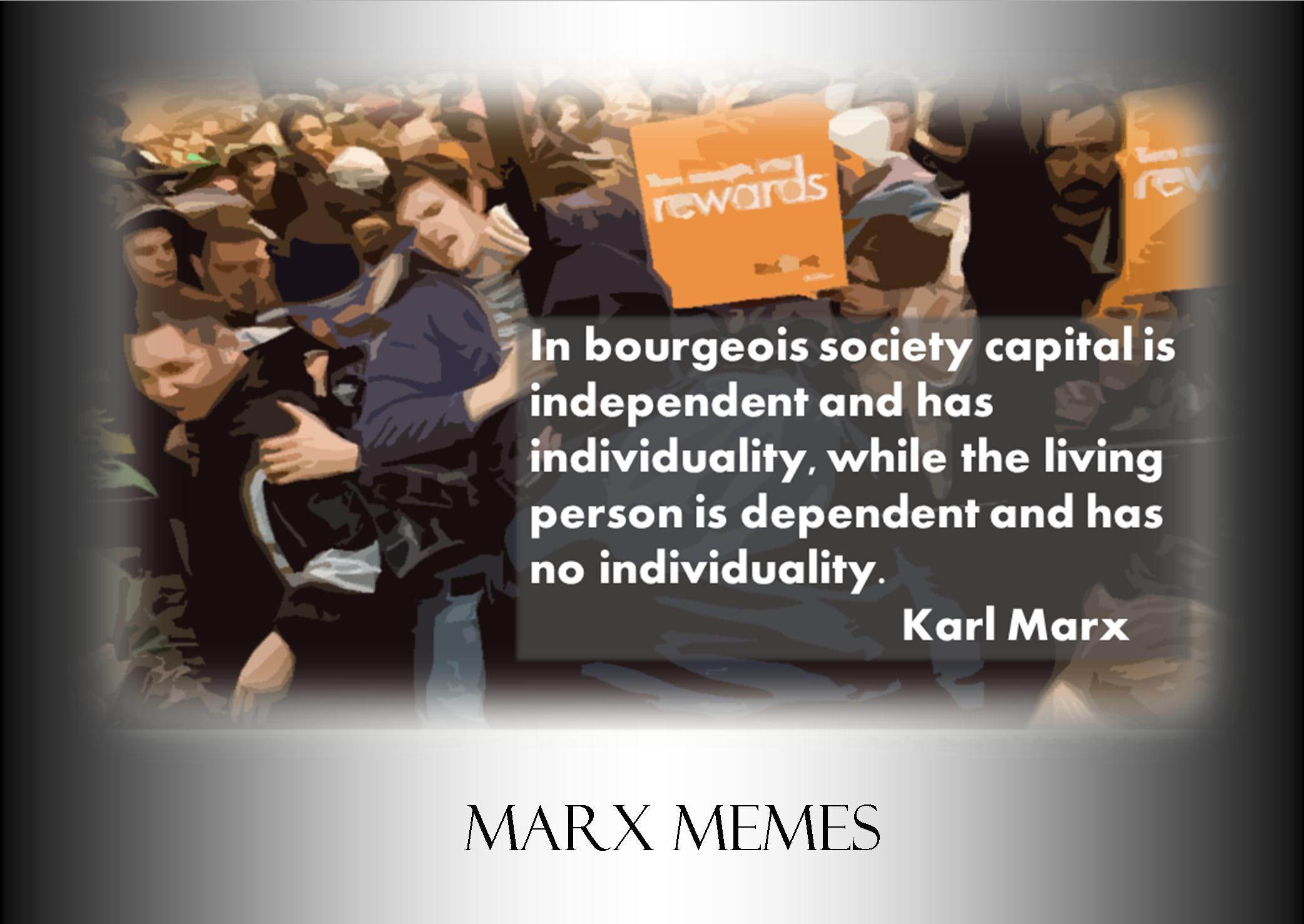
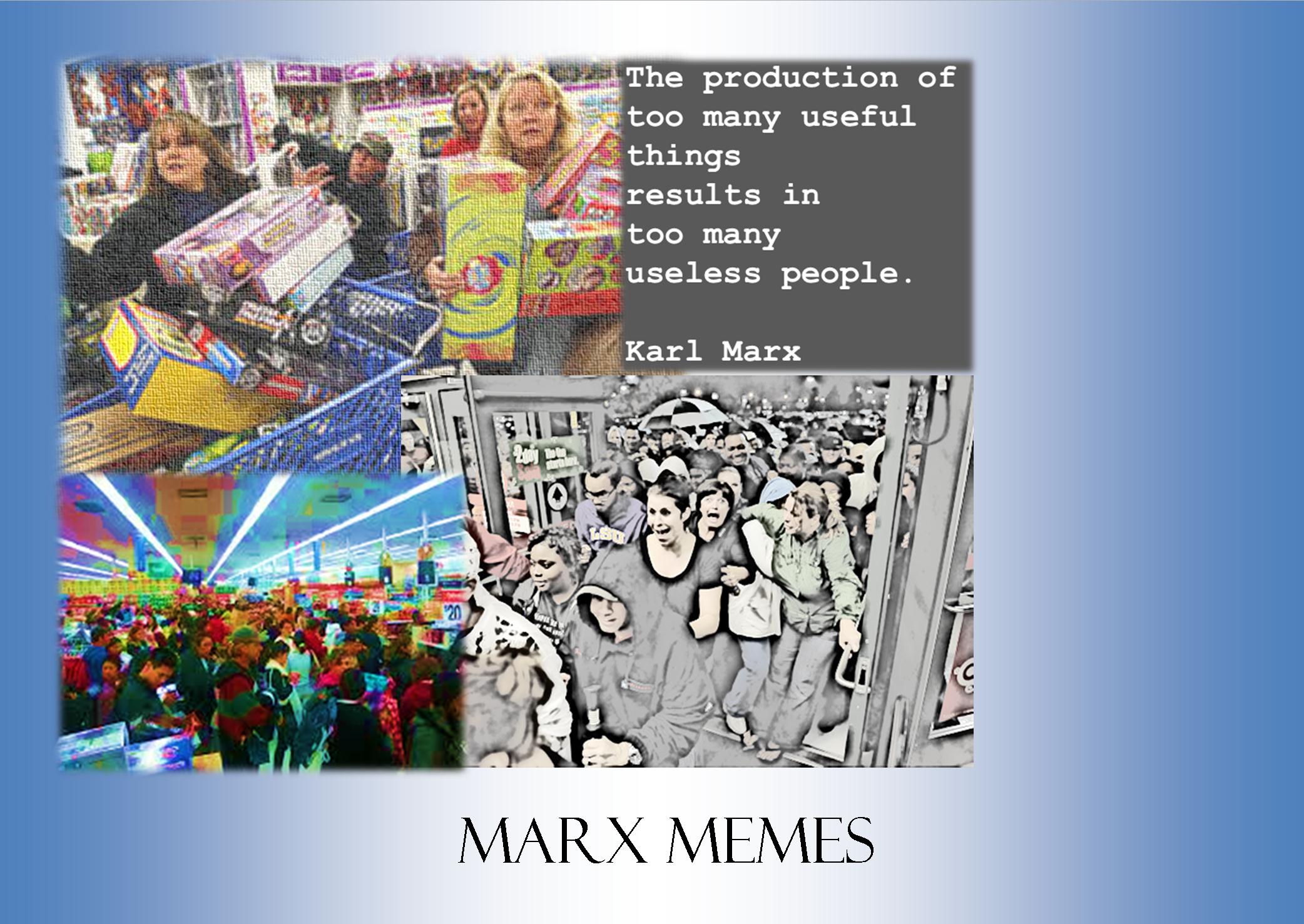
Black Friday

15% off a TV

20%, 30%, 40%, Buy one, get one, limited edition, first release, for a limited time only, ONE DAY SALE, pre-holiday special, specialty item, luxury item, deluxe, premier, state-of-the-art, NEW, better, faster, smaller, bigger, MORE.

You’re not good enough if you can’t afford it, so borrow it! Fantastic terms- only 25% interest, and a $50 late fee, plus a convenience fee when you pay us back! But you’ll have what you want, and that will make you a more satisfied human being.

Oh, look! There’s a newer version of the thing you just borrowed money to buy, and now yours is worth half of what you paid. Too bad for you! But if you roll-over your debt for this new purchase, you too can have the newest and the best!


Publication1

Publication2

Presentation1

Well, what AM I supposed to do?

“Well, what the hell AM I supposed to do?”

This was the thought I had after reading a blog entitled, “Dear Liberal Allies“.

Read it (seriously) and then think about your own reactions to the author’s observations. You may be in a space very similar to the one I was in after I read it the first time- by the way, I felt super annoyed and alienated.

Here’s an excerpt that really struck a nerve:

All anybody’s looking for in an ally is someone who knows that “empowerment” means taking a step aside in a place where you know you have privilege. And if it is, for example, a PoC-to-PoC [person of color] conversation, a woman-to-woman conversation, a queer-to-queer conversation, etc. about this stuff, and that isn’t who you are, you don’t need to be chiming in.

“Chiming in”? So again, my thought was: “If I’m not supposed to “chime in” what the hell AM I supposed to do?”

Reader, you may not even consider yourself “liberal” and you may not be entirely sure what being an “ally” means in this context.

However, I would hazard to guess that you are a decent human being. AND I bet that you demonstrate care and concern for your neighbors, and that sometimes you feel uncomfortable when you see things that just aren’t right:

  • the way a person speaks rudely to one server at a restaurant but not to another who is a different race or gender;
  • when someone at work uses hateful or hurtful language about specific communities, be that people of color or those from a different country, women, people other than heterosexuals, the elderly, the disabled;
  • or even how some may refuse to even interact with specific groups (the man who refuses to engage with female coworkers during meetings, the woman who won’t let her children have a playdate with a child with same-sex parents). 

Maybe you’ve even called people out for being assholes or corrected someone who may not have understood how hurtful certain words can be.

When I feel brave, I correct people when they’re out of line, and I  choose to shop at places that don’t discriminate against specific groups or communities.

So, as I over-internalized the blog, I wondered why this blogger was calling me out and saying that, as an ally, I’m probably doing more harm than good? Why is the author assuming that I automatically think what I’m saying is more important? Did the author really mean to imply that as a person of the majority (white, middle class) I could not possibly contribute to the conversation?

Then I read this article by by Audre Lorde.  — Go read it! Mind.Blown.

This woman, who has faced systematic oppression all of her life (not only as a woman of color but also as a person who identifies as lesbian) has articulated a concept that I honestly believe I never, ever could have reached on my own:

Within the lesbian community I am Black, and within the Black community I am a lesbian.  Any attack against Black people is a lesbian and gay issue, because I and thousands of other Black women are part of the lesbian community. Any attack against lesbians and gays is a Black issue, because thousands of lesbians and gay men are Black.  There is no hierarchy of oppression.

And then I realized why I could never have arrived at these observations on my own, why I wouldn’t even think to make such observations on my own: I don’t have the same life experiences to recognize these overlaps in oppression. I have faced one type of oppression in being a woman, and some discrimination as a woman veteran. The rest of it is pretty much a cake walk. I’m white, I have enough money, I live in a safe, suburban neighborhood, I’m employed, I have a car, etc… Ms. Lorde’s essay is something I could never have fathomed; I didn’t even realize it could exist. I had never even contemplated the overlap for someone who is a woman, a person of color, and someone who identifies as other than heterosexual. I mean, I knew it was out there. But I didn’t know what it meant.

This is when I finally understood what the Trungles blogger was pointing out: All my education about oppression means jackshit when side-by-side with someone’s actual life experience. Any subject I study that discusses the systematic oppression of minorities, LGBT individuals, the very poor– all that means diddly if I don’t shut my mouth and recognize that the very people who live through those oppressions will have the truest and most valid observations. That doesn’t mean that I can’t speak honestly from my own experiences of oppression- it means the exact opposite of that! I am entitled to speak to my own experiences and those who haven’t lived them need to shut up and listen, especially before they make suggestions about how to make things better. And when people are sharing experiences of their own, those I haven’t lived or experienced- well then, I need to shut my mouth and listen. The genius of Audre Lorde’s essay would have been lost on me had I not read the Trungles blog first. And the sense of alienation I felt from the Trungles blog would surely have lingered had I not read Audre Lorde.

My initial thought (What AM I supposed to do?) is probably a thought shared by many, many people. Allies and potential allies often feel helpless in how they can actually make a difference. And after I read the two essays discussed above, I thought to myself, “Why aren’t there more essays like Lordes’?”

I froze for a moment after I had that thought, startled by my own expectations (my own privilege). Ah. So there it is. My presumption that there weren’t more articles like this was like a flash of insight. Had I even looked? Or was I expecting to be spoon-fed by CNN or Facebook?

I did one internet search and guess what? There TOTALLY ARE more essays and articles and books and blogs out there written by people who have lived these experiences and who have amazing insights and ideas. First tool at your disposal? Google (or any search engine). Search key terms like “ally”, “oppression”, “discrimination”, and “social justice”.

And once you dig in, almost every blog you read will link to related blogs and news articles, and the more you read the deeper your understanding and appreciation of the complexity of the world around you will become.

Oh, and I don’t think there is “one answer” to my initial question (at least not one magic solution). But it does begin with being open to recognizing your own privilege and coming to terms with your own lack of expertise in all things (that was totally difficult for me). Also, don’t be like me and take shit so personally, either. Acknowledge that those who have lived the experience should be the people to whom you defer. That doesn’t mean you can’t do good work, just don’t assume that your idea is the best idea or that yours is the only opinion that counts.

“New Beer” – Marijuana Policy Project NASCAR Ad – YouTube

MAINSTREAM IT!

Commercialization and mainstreaming of cannabis use is the first step in ending this costly prohibition that has been massively detrimental to our fiscal, domestic, and international policies. It is hurting Americans and disproportionately affecting minority communities. BRING IT.

“New Beer” – Marijuana Policy Project NASCAR Ad – YouTube.

Seattle Hempfest Myrtle Edwards Park, August 16-18

IMAG1569IMAG1571

I helped dozens of people register to vote yesterday. It was an amazing (exasperating/ tiring/ satisfying/ frustrating/ inspiring) experience.

Some observations:

  1. Carrying a bowl of candy at Hempfest will make you a very popular person.
  2. This was by far the most sedate crowd I have ever encountered.Everyone was calm. And almost every person I spoke with was smiling.
  3. The diversity of cannabis activists and enthusiasts is astounding. This is a truly a universal issue.
  4. Most young people I spoke with (17-25) had  little knowledge of the political process. Many were genuinely interested in learning more, though, and some of the most in-depth conversations I had were with young adults wanting more information about the voting process in Washington State.
  5. I just learned that in Washington state, individuals with felony convictions who are no longer under supervision by the Department of Corrections have the right to vote in State elections.  _(Learn more here: http://aclu-wa.org/voting-rights-restoration-washington-state)_  One woman almost started crying when I told her about this law. She was convinced she’d never be able to vote again after receiving a felony conviction for marijuana possession in her 20s. She must have said thank you at least 10 times as she filled out her registration form.

IMAG1576IMAG1573

Talking about voting seems to strip away all the pretense and all the barriers people put in place when venturing out in public- when you sit down and really engage with people, and they recognize you don’t have an agenda- you’re not angling for them to vote for anything in particular, you just want them to vote, well then, all the walls come down and they really open up. Race/ethnicity/age/gender – none of that made a difference. I connected with people regardless of demographic.

Isn’t “Mainstream” a bad thing?

“Mainstream that shit” became my go-to phrase whenever “taboo” topics (that shouldn’t be taboo) got news coverage, e.g.:

“OH MY GOD THEY SAID VAGINA.”

“VAGINA!!!”

My theory is this: If we talk about it (the “offensive topic”), we can desensitize all the sensitive people who get offended when they hear (perfectly reasonable) things they don’t want to hear (like the medical terminology for sex organs). In other words, if we say VAGINA, VAGINA, VAGINA a billion times people will either stop thinking it’s a bad word or they’ll just get tired of claiming it is and shut up about it already.

The challenge is that institutional group-think is a sticky, self-preserving monster, and it takes a bit more effort and planning to shift popular opinion. As much as I would like to run around screaming VAGINA at the top of my lungs, I don’t think it would have the desired effect. Instead, we need to recognize that people adapt to social change in fits and starts. Reoccurring contact with the undesired element in everyday happenings (news, popular culture, the legal system) creates an inoculation effect of sorts, which eventually leads to a general acceptance by the public.

For example, say I have a core belief that the color green is wrong. It’s so wrong that, in my opinion, no one else should wear green clothing, like the color green, or talk about the color green. My belief that this color is wrong is reinforced by my friends and family. They all agree with me, and I with them. We all watch the same TV channel that validates our feelings about the color green, and we eschew any sources of information that diverge from our own established opinion.

Meanwhile, there’s a group of people who really like green stuff. Their choice in clothing is ridiculed by us anti-greens, and unfortunately for the green-lovers, the anti-greens have “strong ties to the community”, meaning we’re in charge of shit. And because we’re in charge of shit, we start establishing rules that outlaw the color green, and discriminatory practices against green-lovers become socially acceptable because it reinforces the existing opinions of the anti-green camp. I mean, hey, they could just stop wearing green and their lives would be much easier.

Because the social pressure to shun this color is so strong, those few hiding in our ranks who do like green either face becoming a social outcast by admitting their secret or they simply hide their preference from their loved ones to avoid being judged.

But wait! Someone I know admits to me that they like the color green, and then the next week another person says that their daughter wears green shoes! I don’t want to lose these people, but I can’t reconcile their choices with my own morality. I’ve lived my entire life rejecting this color. Until one day, after trying yet again to talk some sense into these people, I realize that my friends are still very much who I always thought they were, they just make different choices that have absolutely no effect on my life or my own choices. Hmm… I might not like the color green personally, but I suppose that doesn’t mean that everyone else has to think the same way I do.

So you can see that while this is a drastically simplified scenario, you can substitute a myriad of demographic classifications or lifestyle choices for the “color green”.  The path toward understanding of our differences requires a shift in popular opinion that may start with rejection but evolves into ambivalence and then moves from apathy to tolerance and then finally mainstream acceptance.

UnderstandingPrejudice.org: Springboards for Discussing Prejudice

This is a great resource for parents and teachers as they address issues of stereotyping, prejudice, and discrimination with children.

UnderstandingPrejudice.org: Teacher’s Corner – Springboards for Discussing Prejudice.

Women in combat?

“The more we treat service members equally, the more likely they are to treat each other with respect.”

From Military: Women to take combat roles by 2016

The most common arguments among those who oppose women in combat:

  1. Women soldiers will be raped.
  2. The average American female cannot meet the current infantry requirements.

Argument #1Women soldiers will be raped.

Unfortunately, this is already happening in all branches of the military (it’s also happening to more male service members than female service members). Integrating women into combat units may very well result in additional sexual assaults and harassment, the expected backlash of a significant cultural shift in a male-centered organization. But as the good ol’ boys are cycled out, and new recruits join a military where women are already commonplace in combat arms units, the level of respect for the women serving at their side will match the respect they feel for their brothers in arms. Women will no longer be seen as the second class citizens as they are viewed now. Their service and sacrifice will be recognized as equal, and their contributions will be valued, rather than seen as a “politically correct liberal experiment”.

Read this excellent article that delves into the common misconceptions about Military Sexual Assault (MST): http://www.thedailybeast.com/articles/2013/06/04/seven-misconceptions-about-military-sexual-assault.html

Rapes occur on college campuses too. Should we ban women from obtaining an education at co-ed universities?  Or should we address the root cause of sexual assaults in both the military and in the greater population: A lack of respect and recognition as humans of equal value and standing.

Argument #2 The average American female cannot meet the current infantry requirements. 

Guess what? Neither can the average American male. Standards will be established, and those standards will preclude the vast majority of people who apply. If women can meet the standards, there is no viable reason to exclude them from combat positions.

I am 5’8″, already taller than the average male height (global), and an inch shy of the average here in the US. I consistently scored 70-80% on the Male standards for physical fitness during my enlistment. My physical conditioning at that time likely exceeded that of a huge chunk of the male civilian population and probably a large number of male service members. I carried a pack, M-249, 600 rounds of ammunition, and full body armor.

I wasn’t even close to being the most physically fit female in my battalion either.

I’m not anticipating a huge flood of women will sign up for combat MOSs, but those that do should be given the same opportunity to succeed or fail as their male counterparts. “Women don’t belong in the Infantry” just isn’t cutting it anymore.