The Veteran Crisis Line Saved My Life


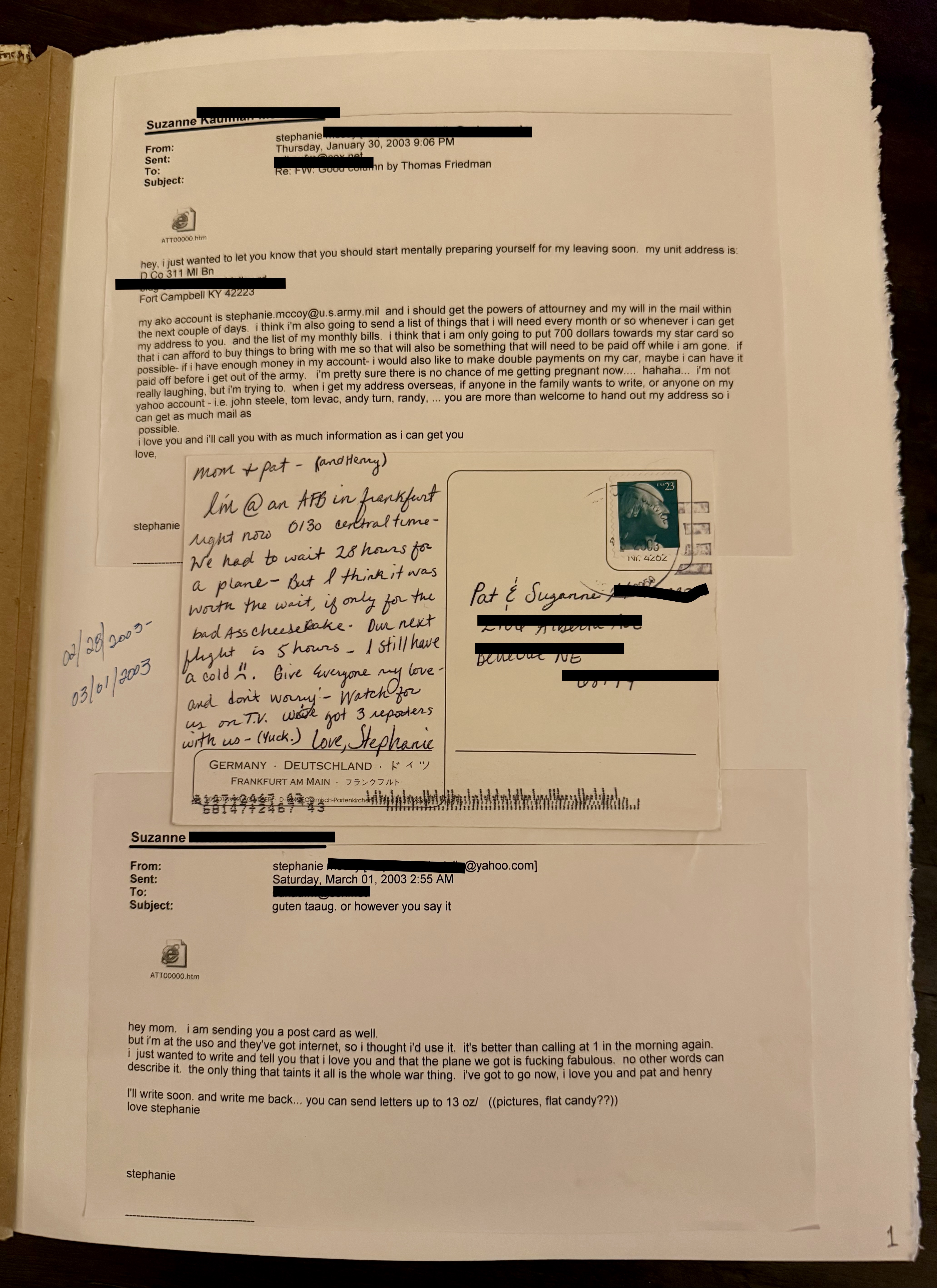
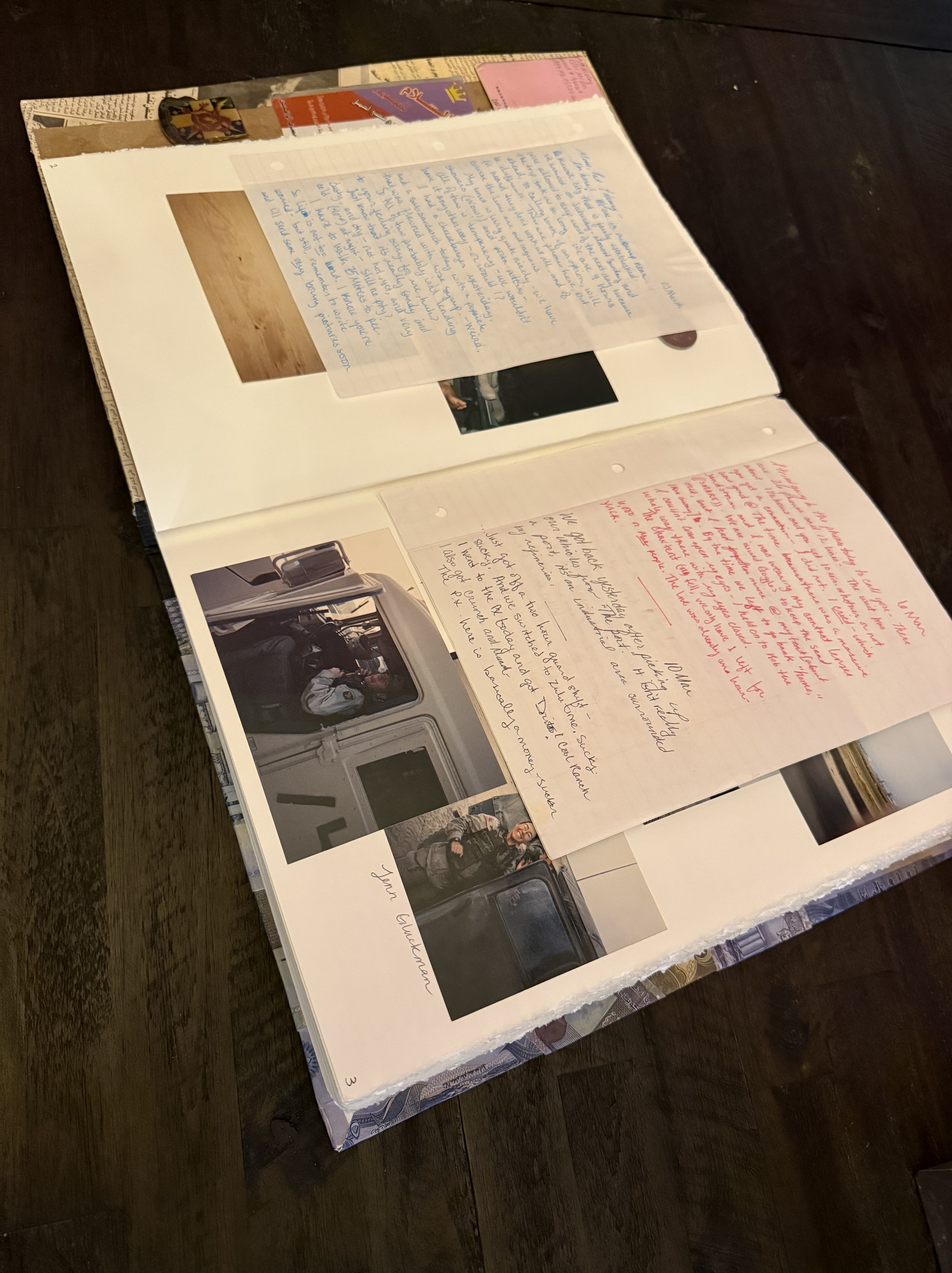
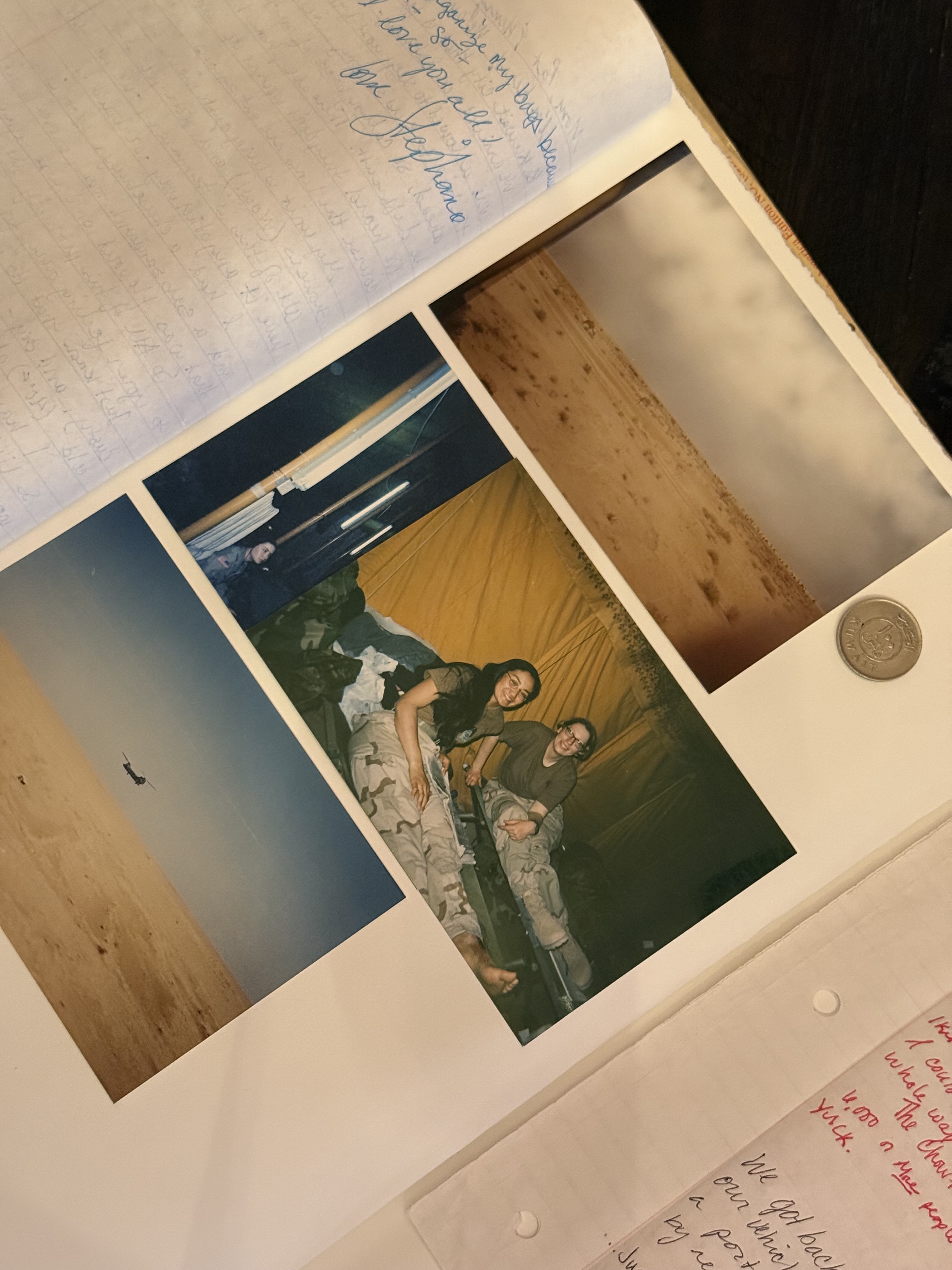
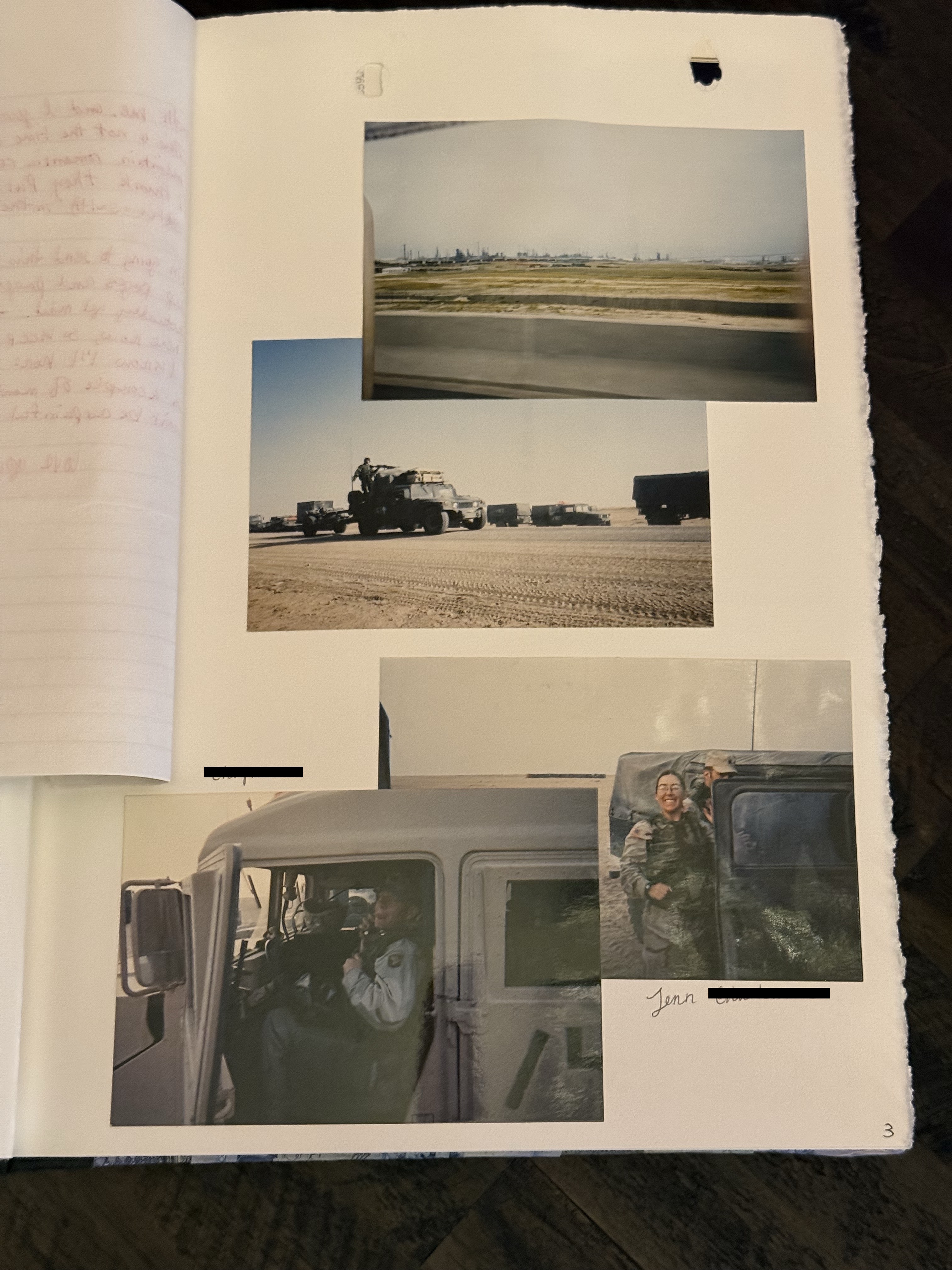
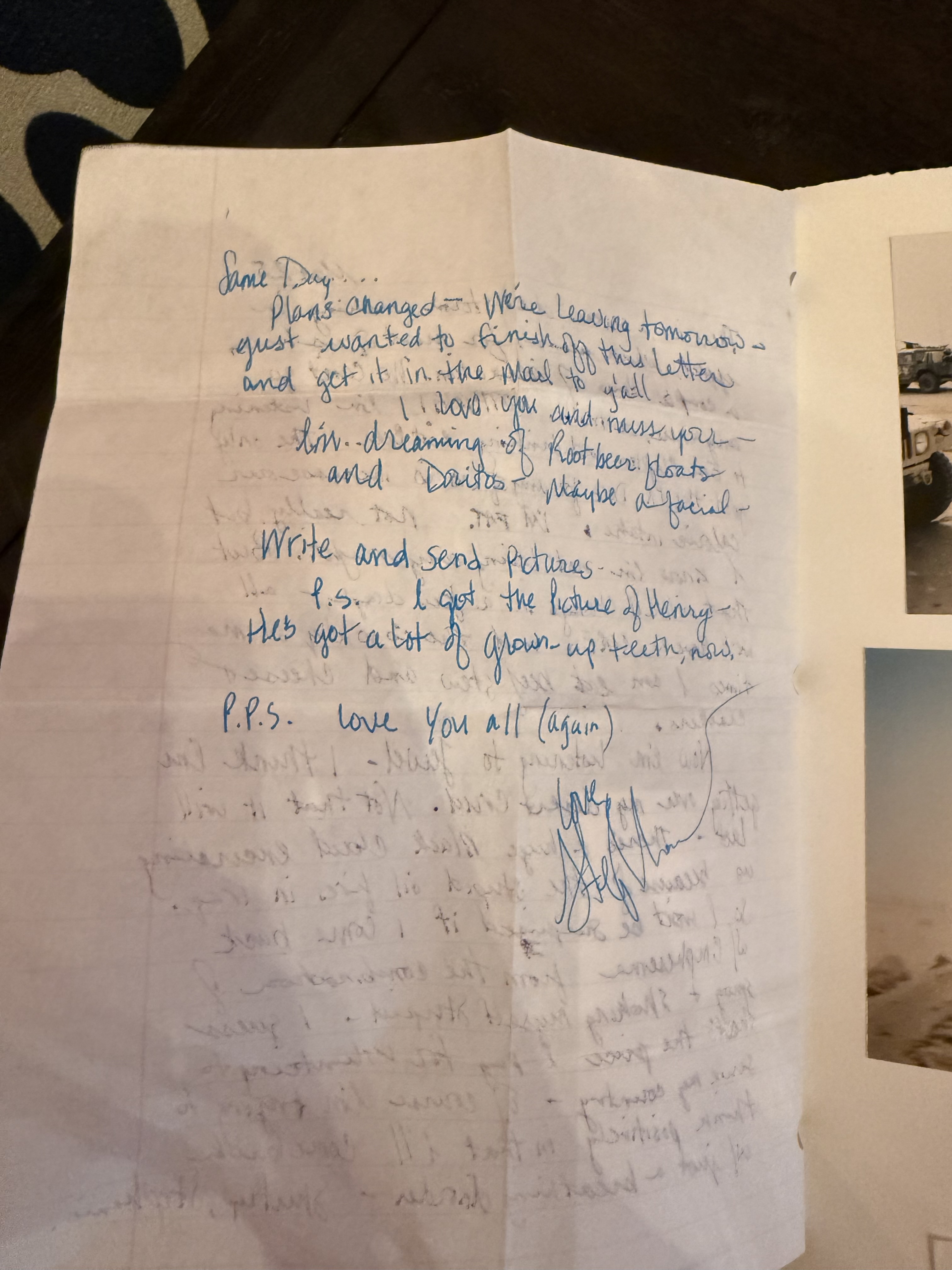
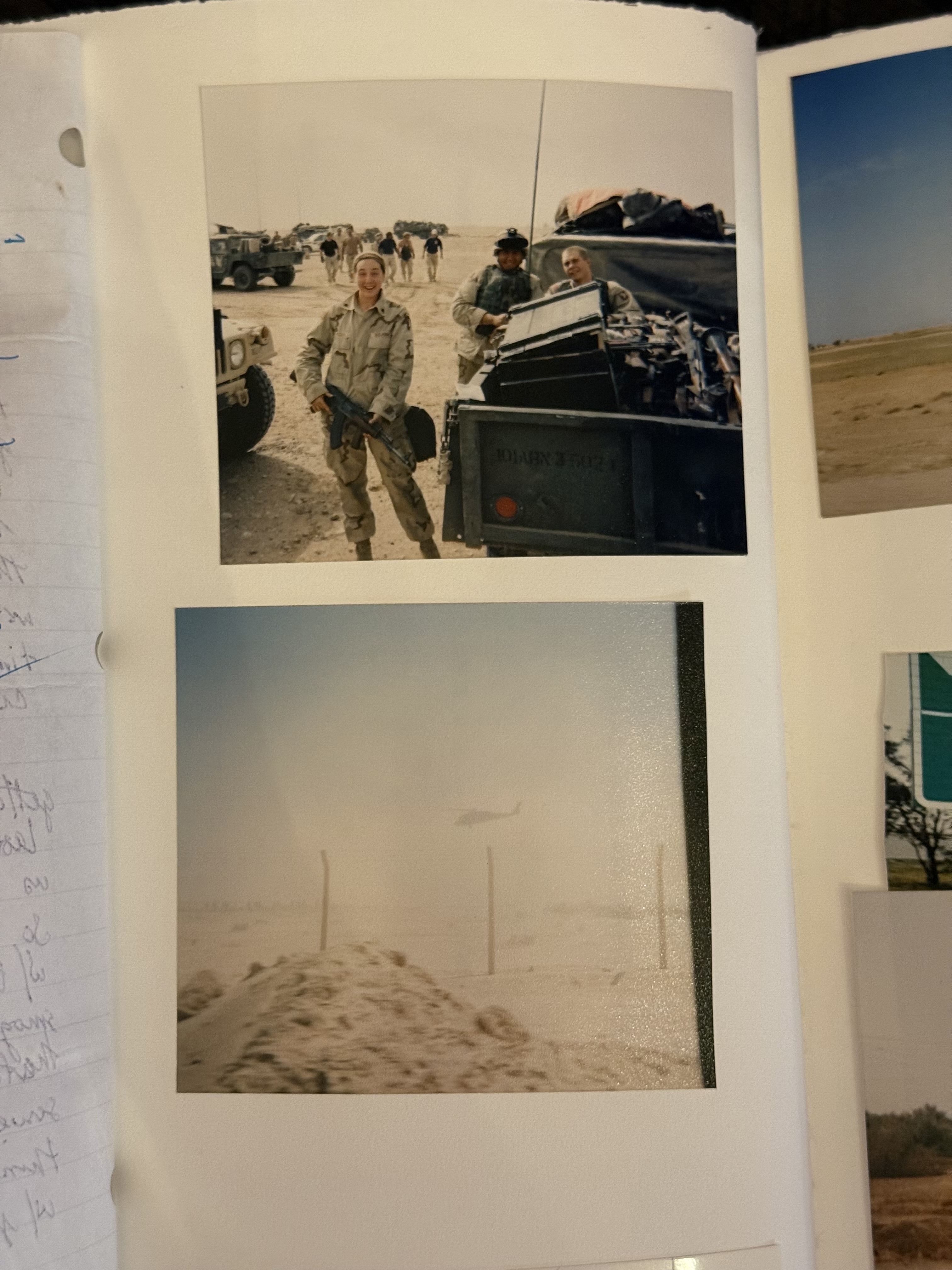
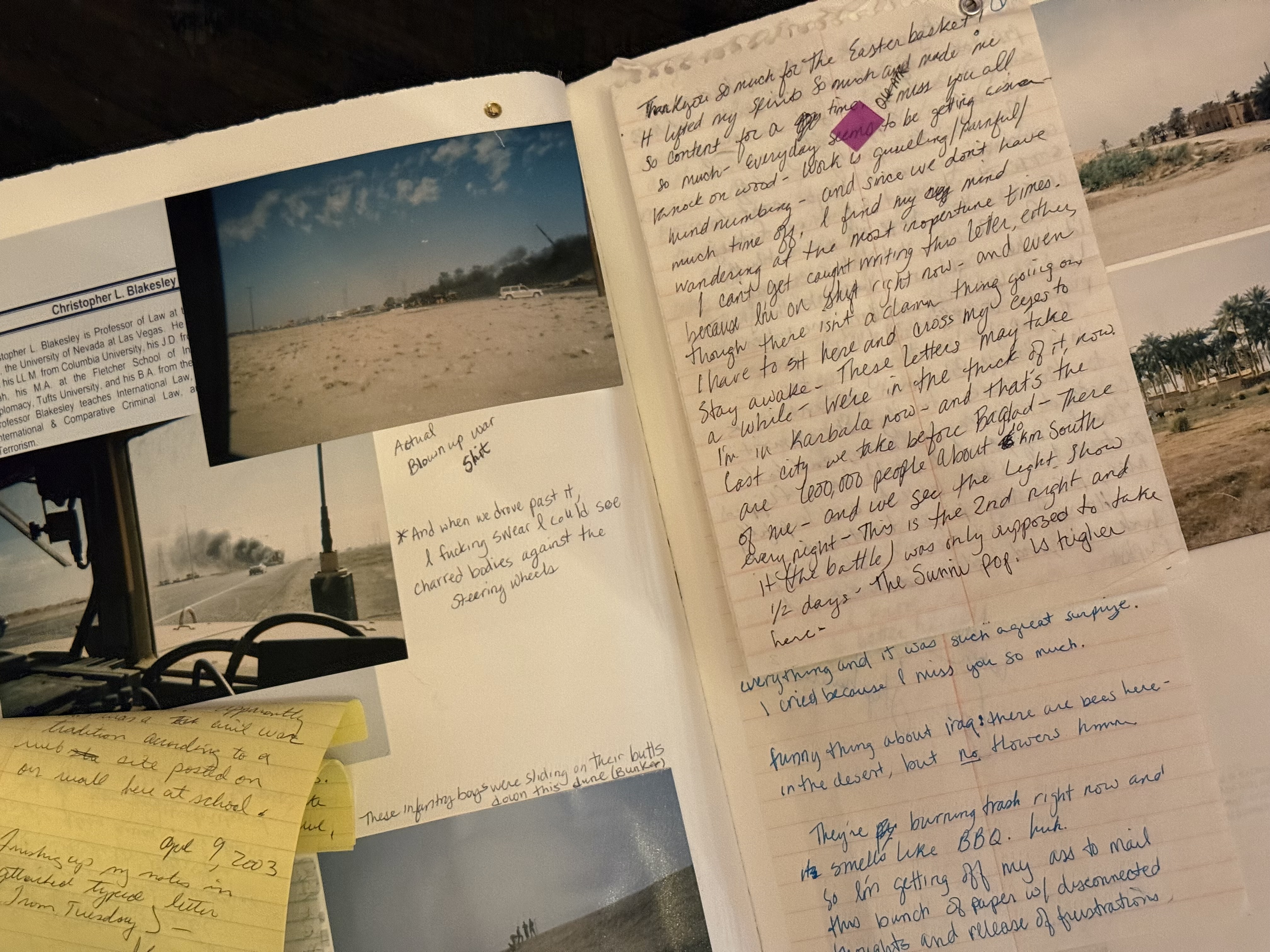
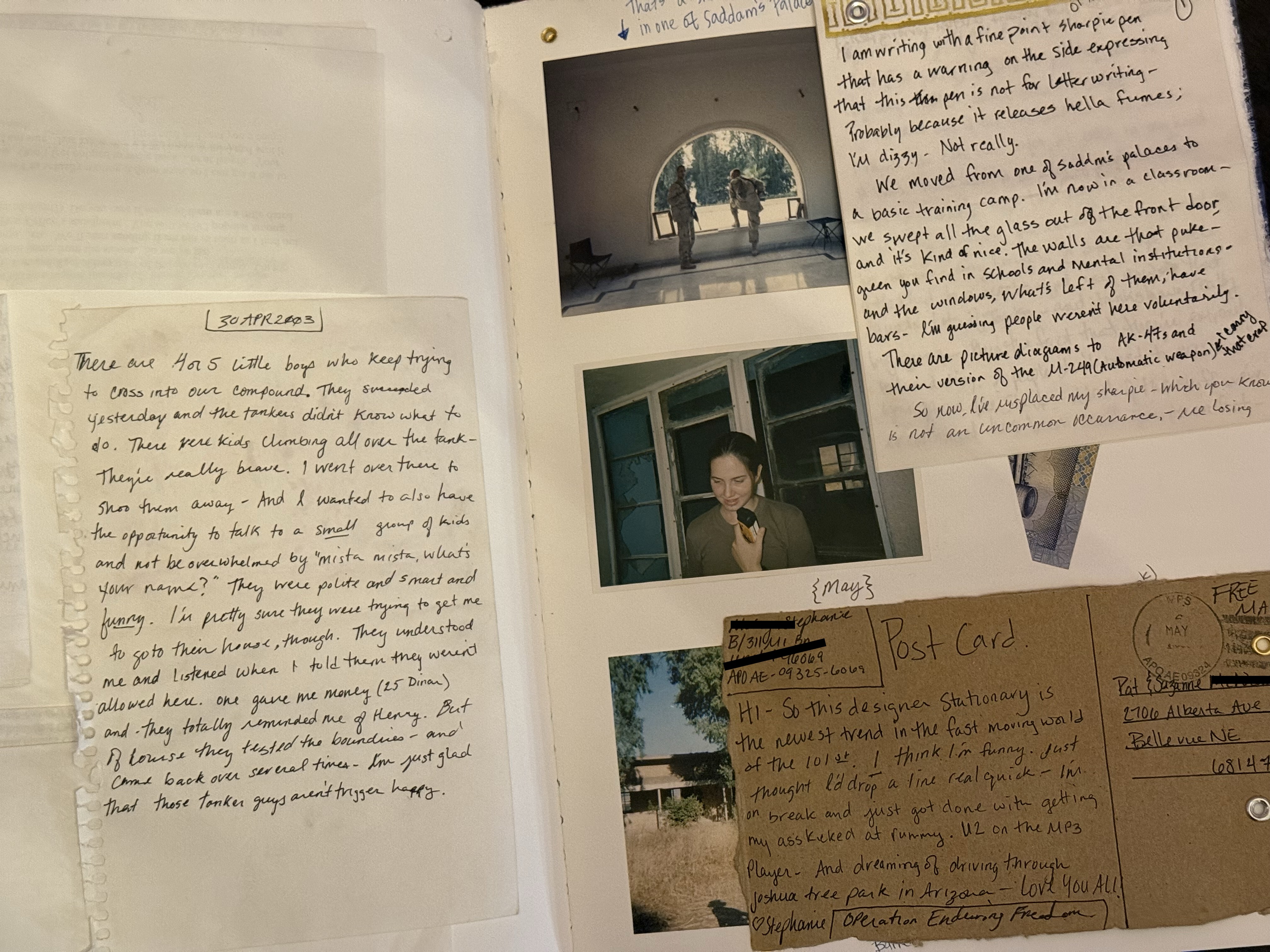
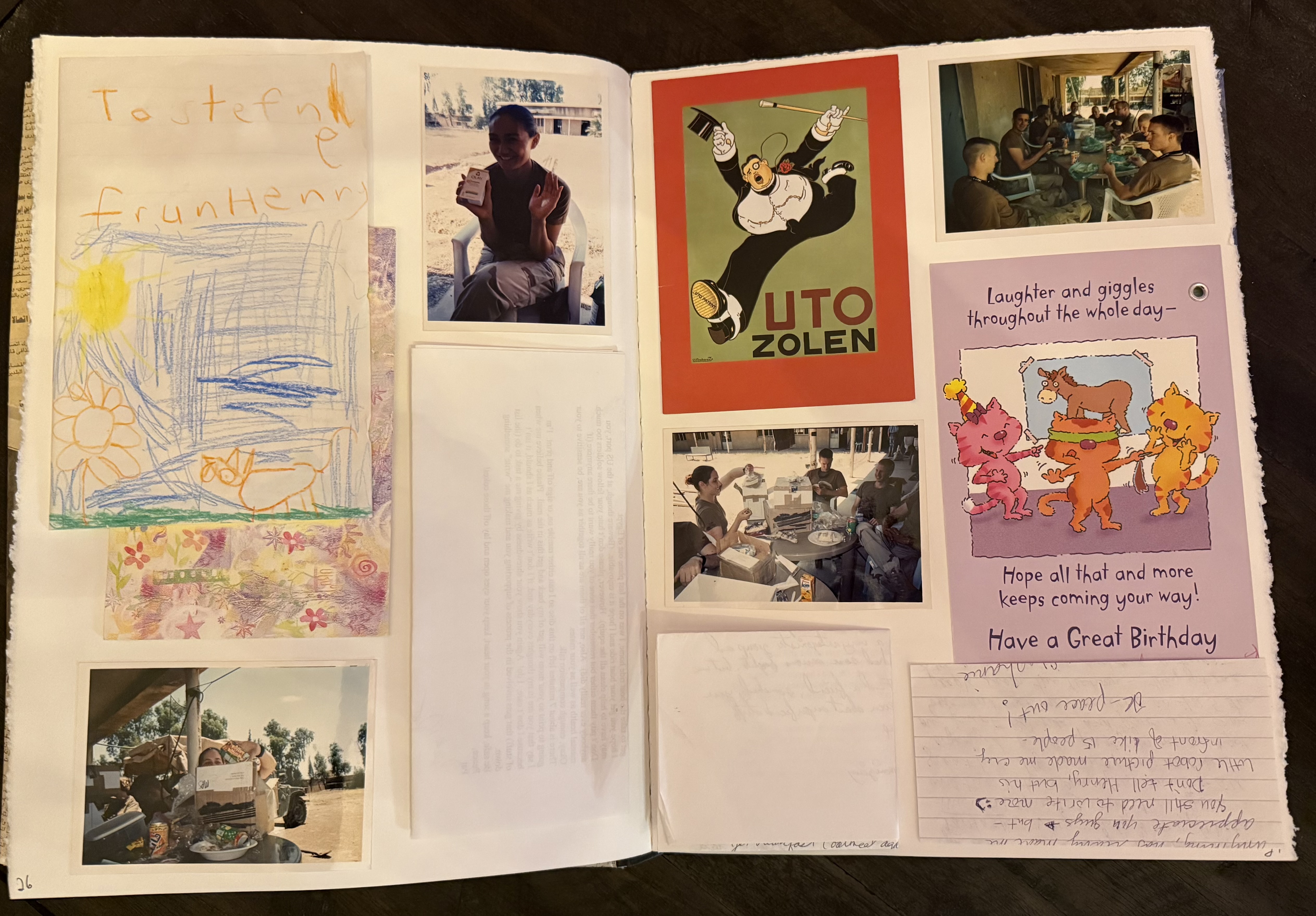
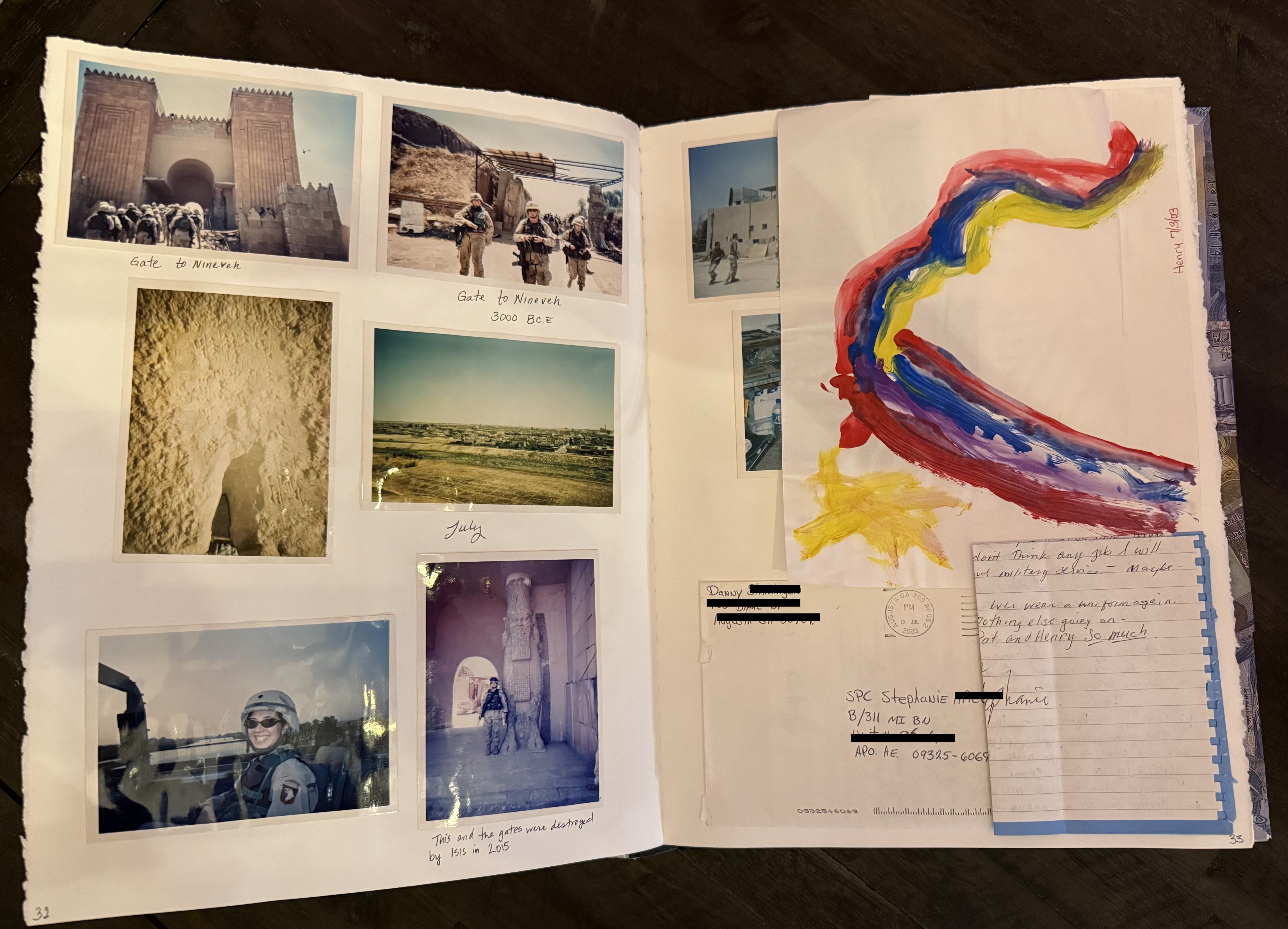
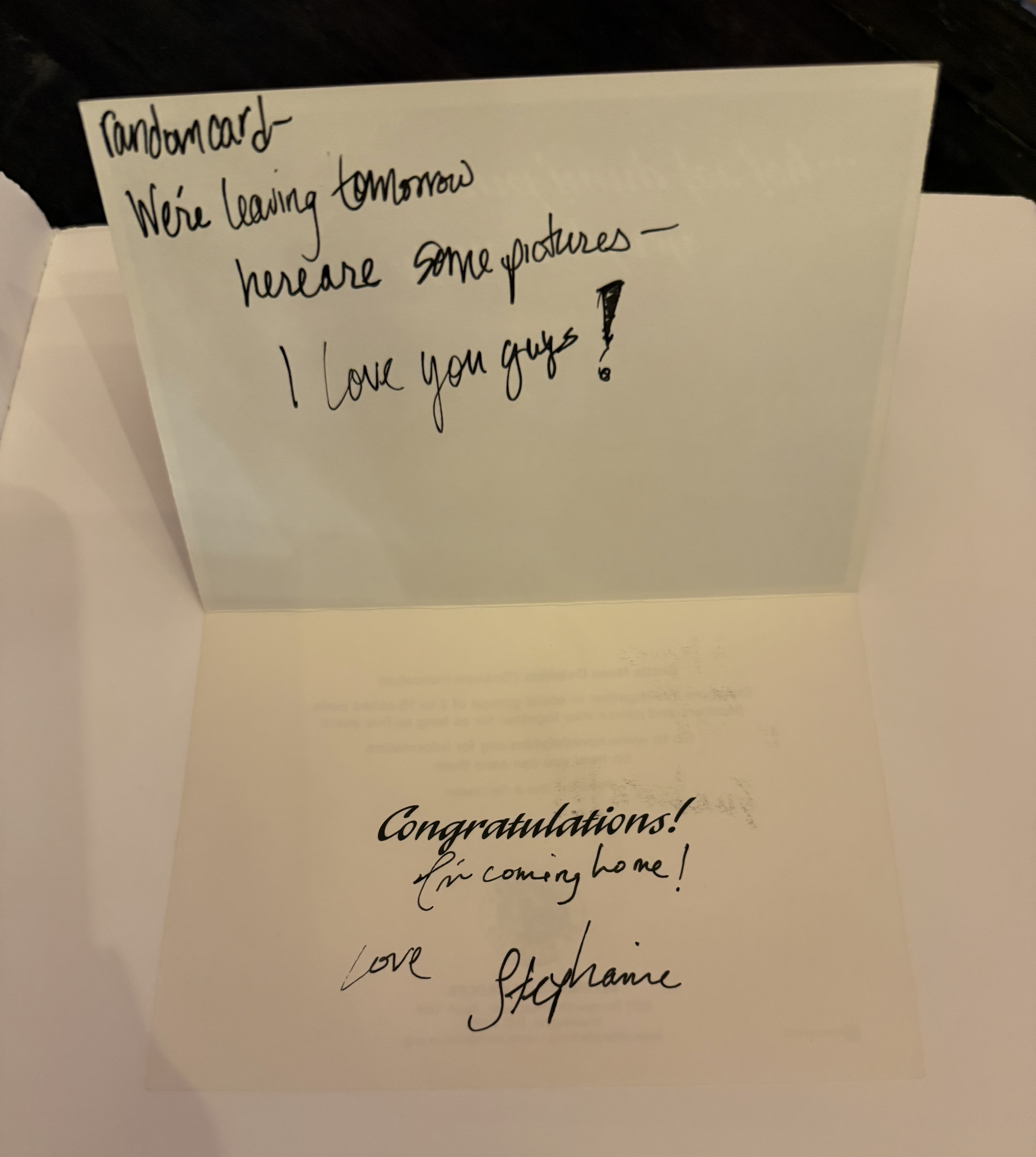
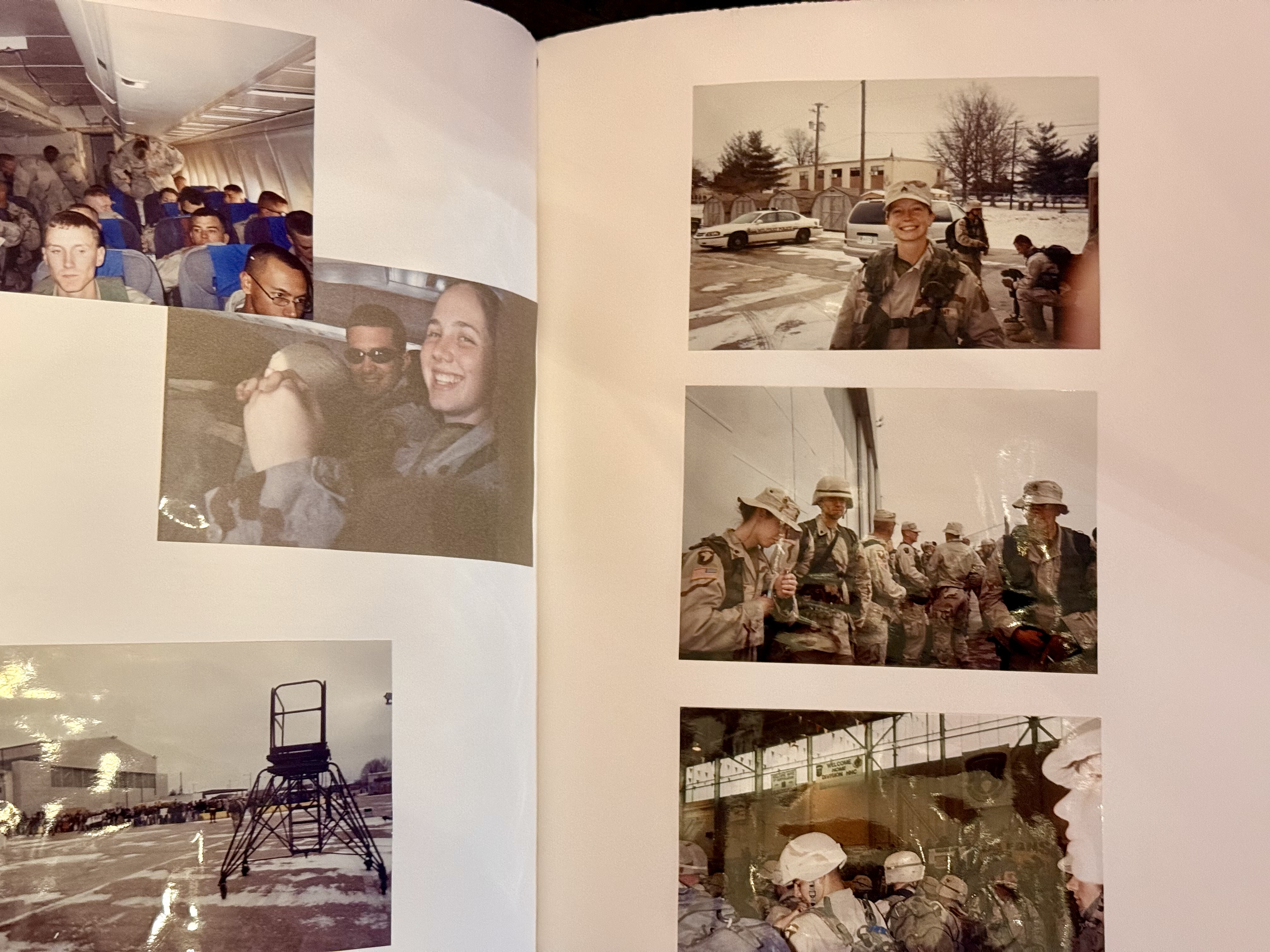
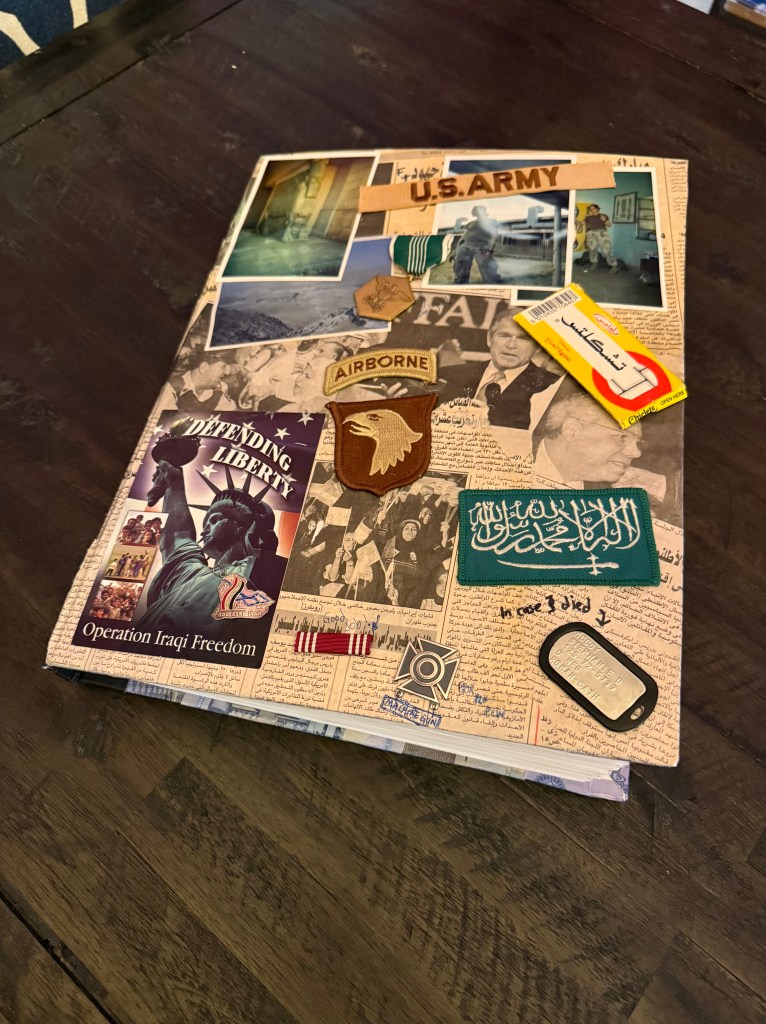
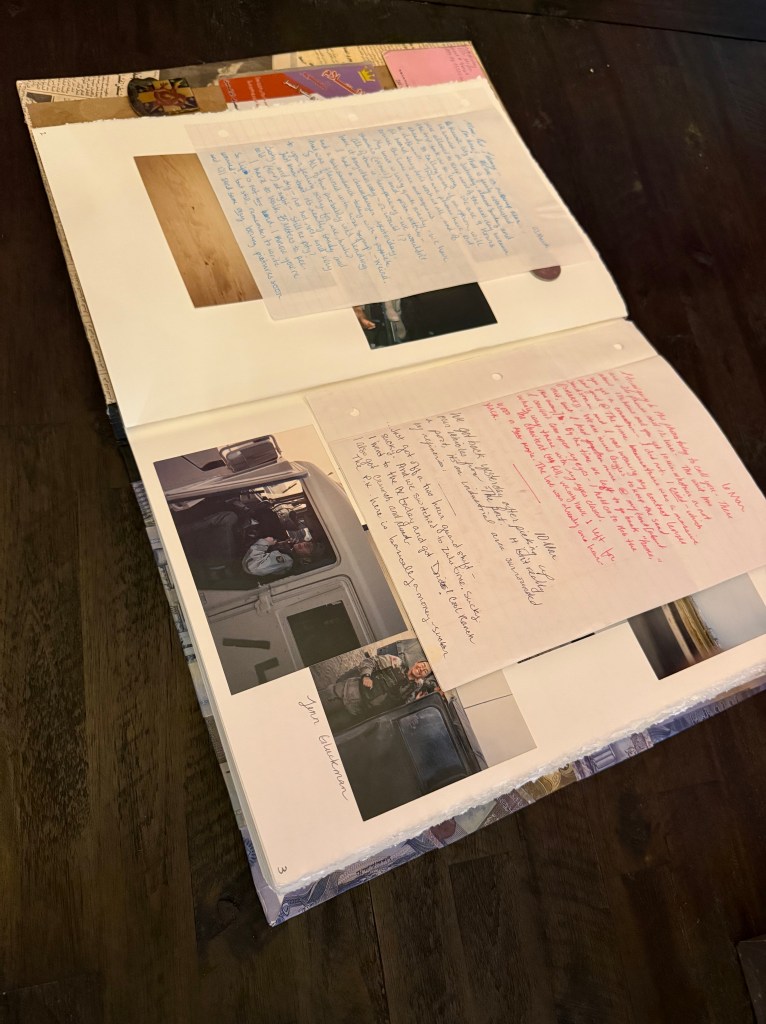
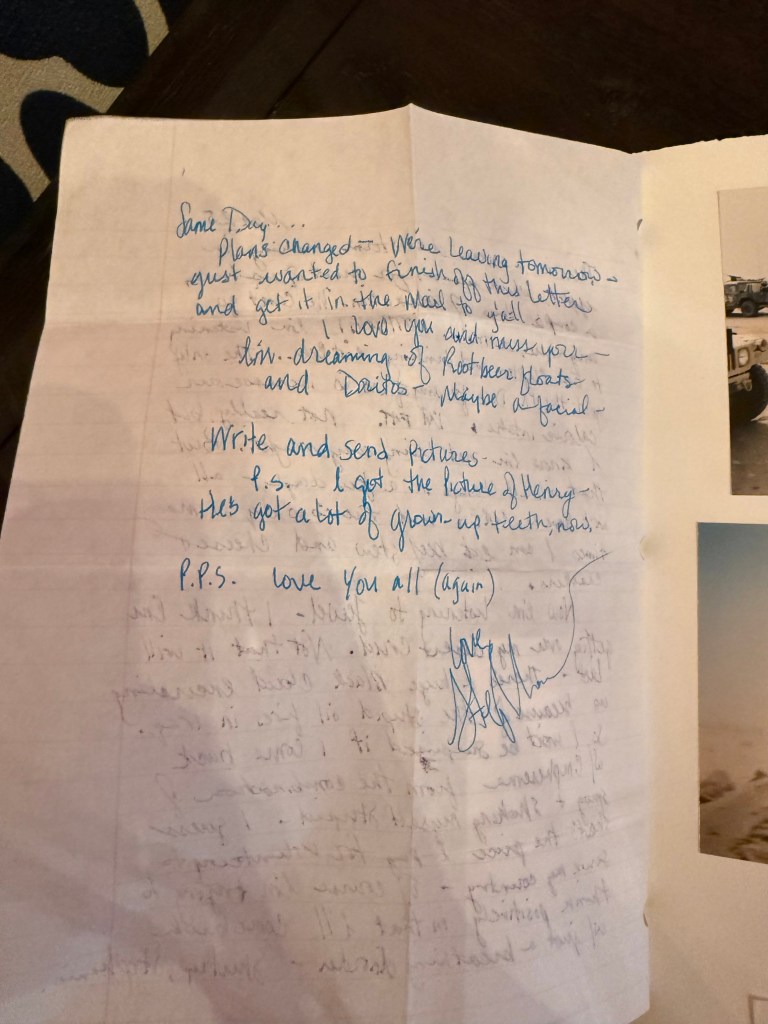
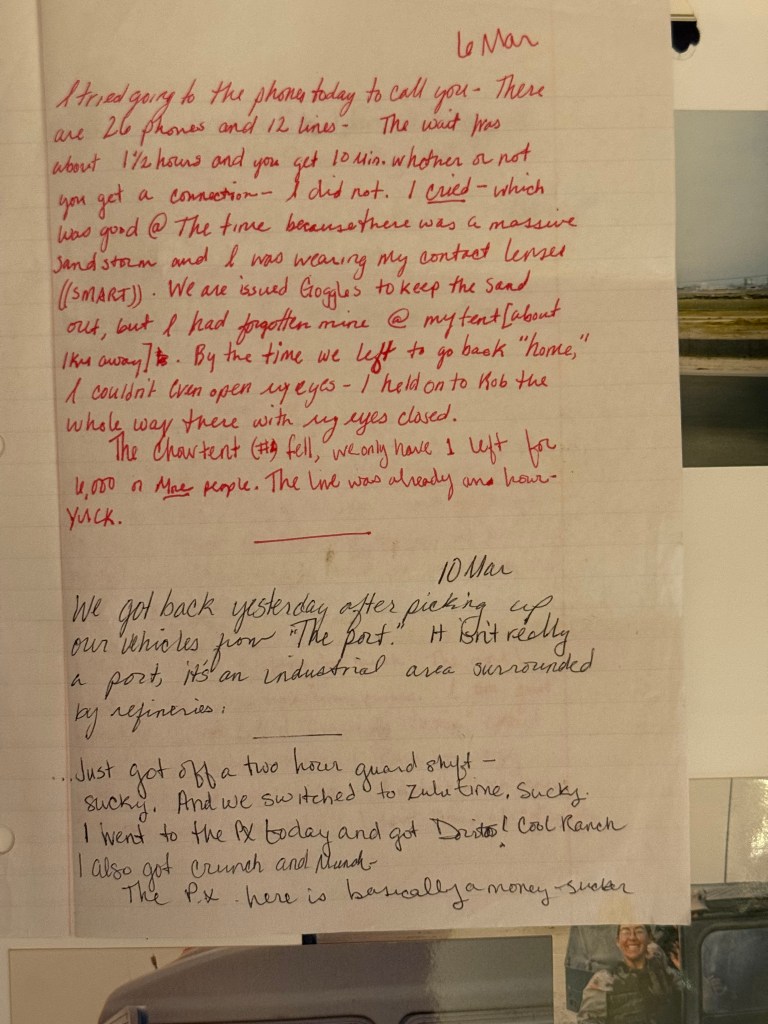
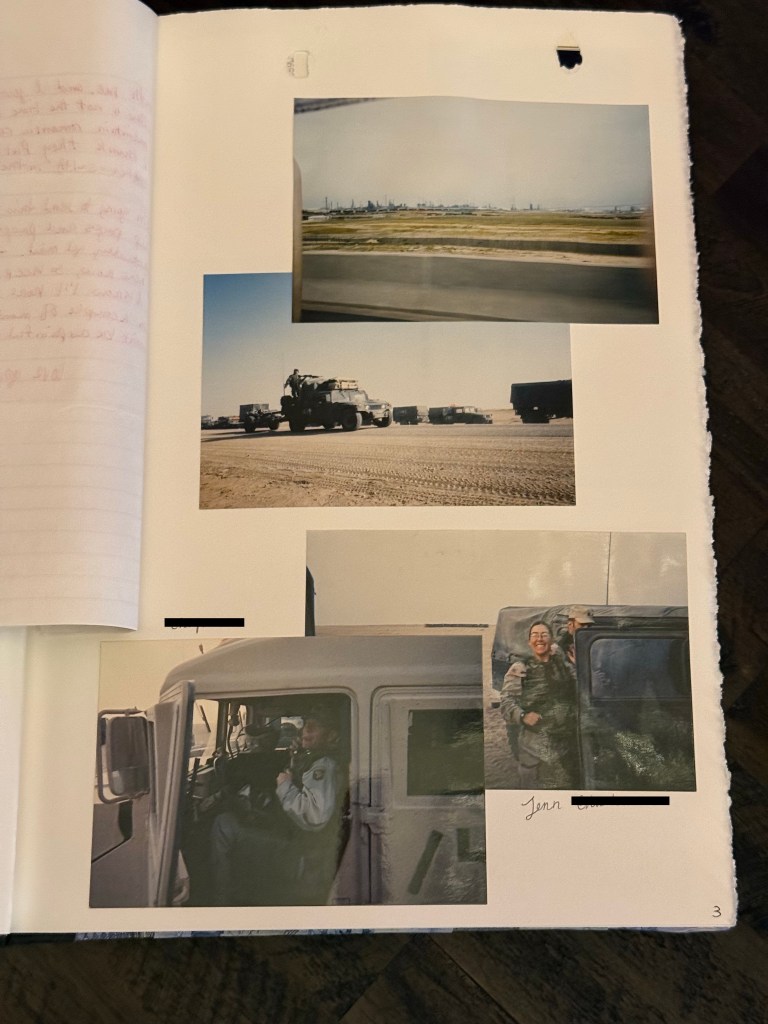
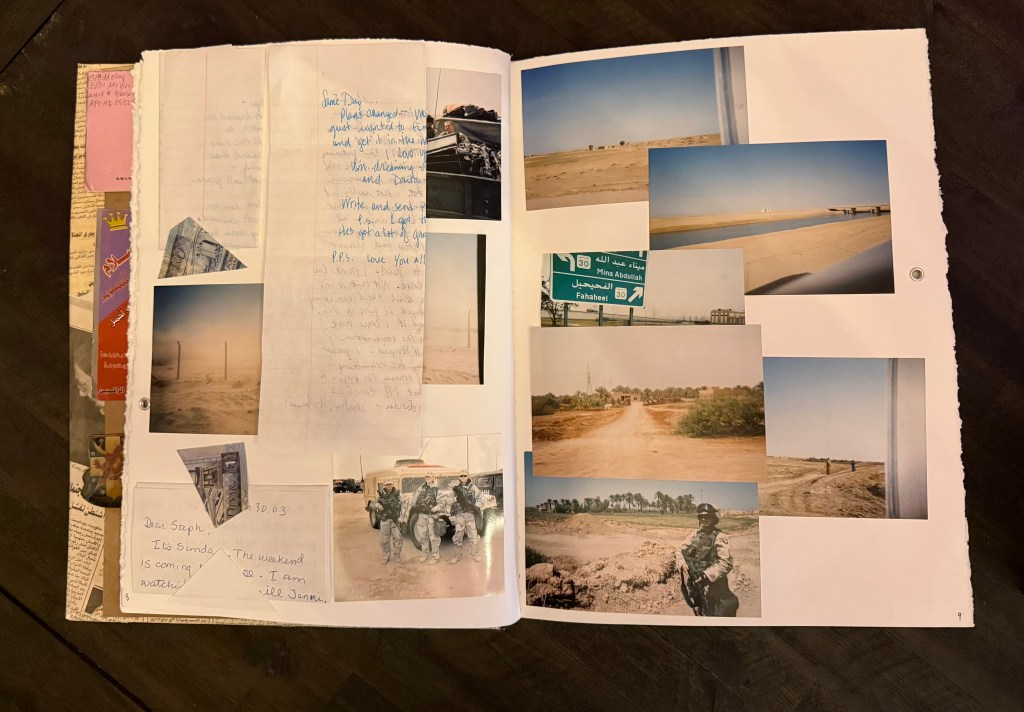
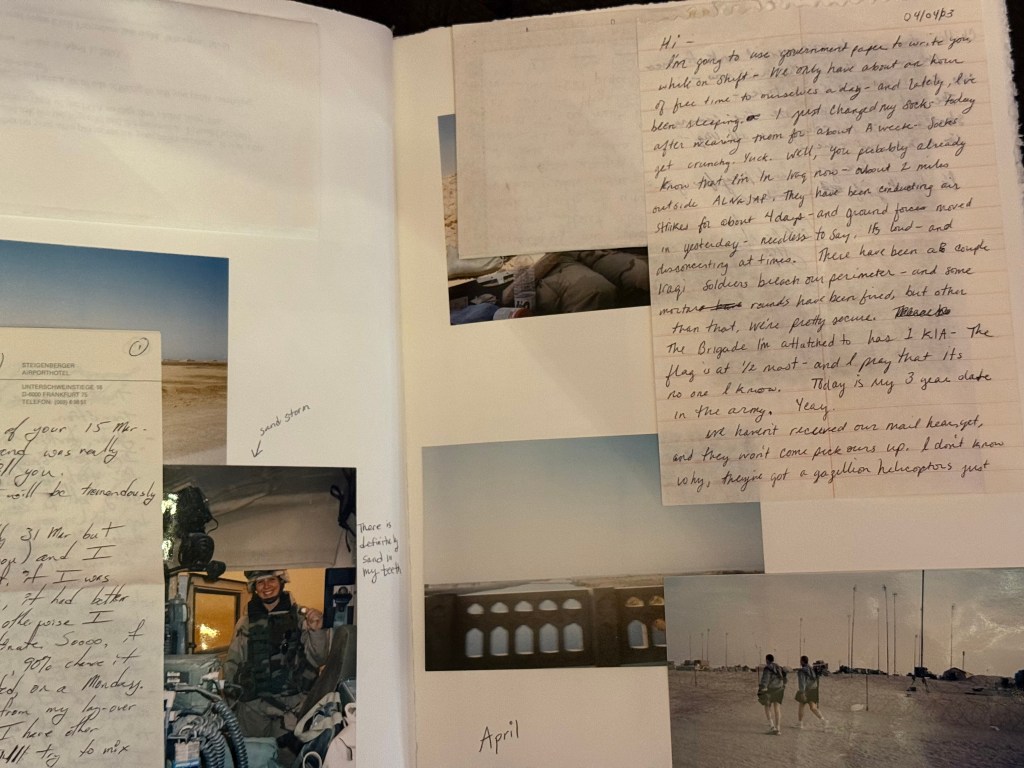
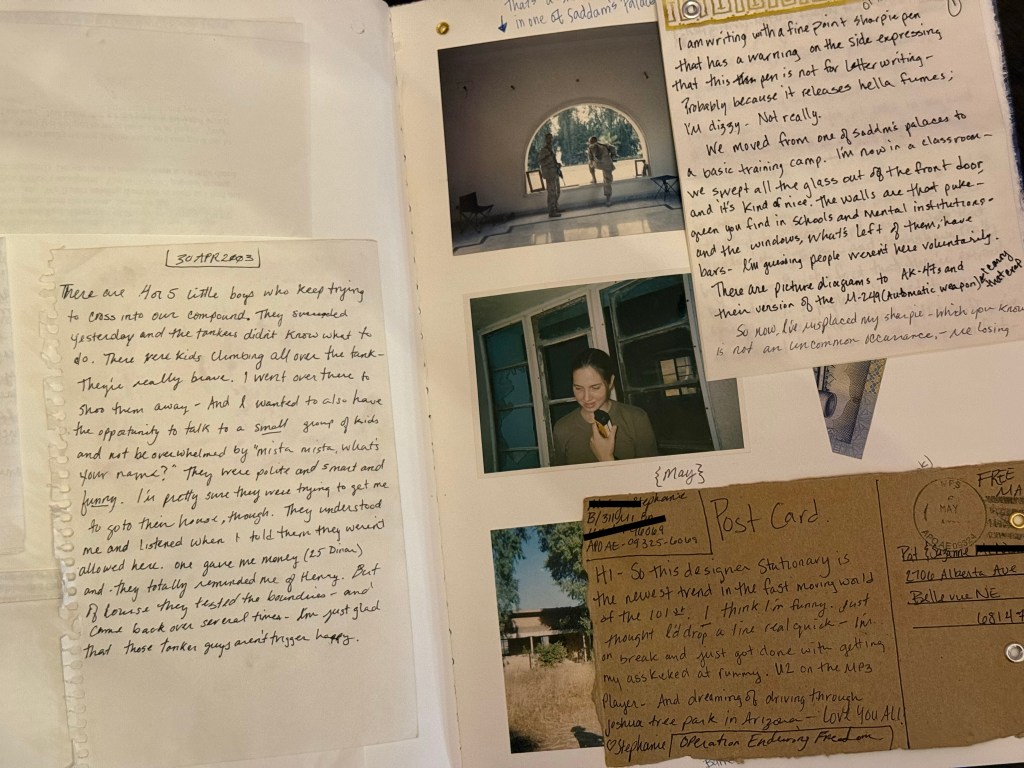
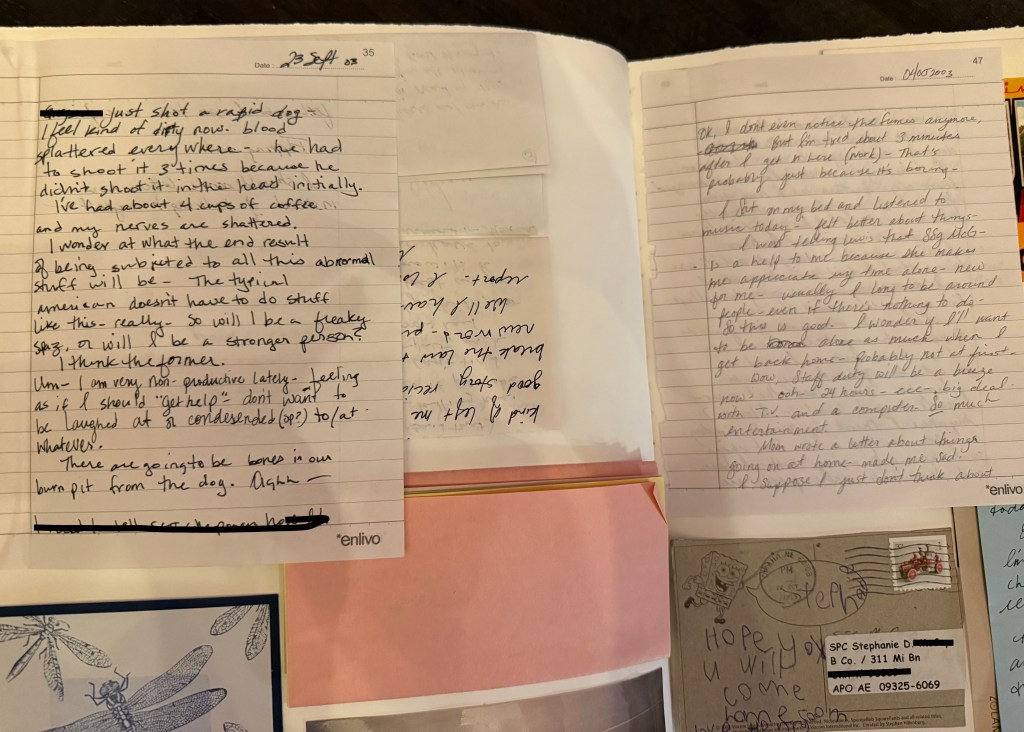
I was 17 when I enlisted in the army. At 20 years old, after 3 years of training, I deployed to Iraq with the 101st Airborne Division as an Arabic Cryptologic Voice Interceptor. My family saved some of the letters I wrote while I was overseas, and let me tell you – 20 year old me was naive AF. And this was in 2003 – before we were all immersed in the 24 hour global news cycle, so I was also stupid and woefully unaware of the current events in which I was participating. 

Fast forward to a few months ago, I was painting my front room and attempting to make part of it into an art studio; for years my creativity felt like it was behind a wall – often inaccessible, and it felt like a part of me was missing. A pandemic and a divorce will sidetrack a lady for sure. But life changed for the better, and new people came into my life. I am in love and happy, and that art spark is sparking.

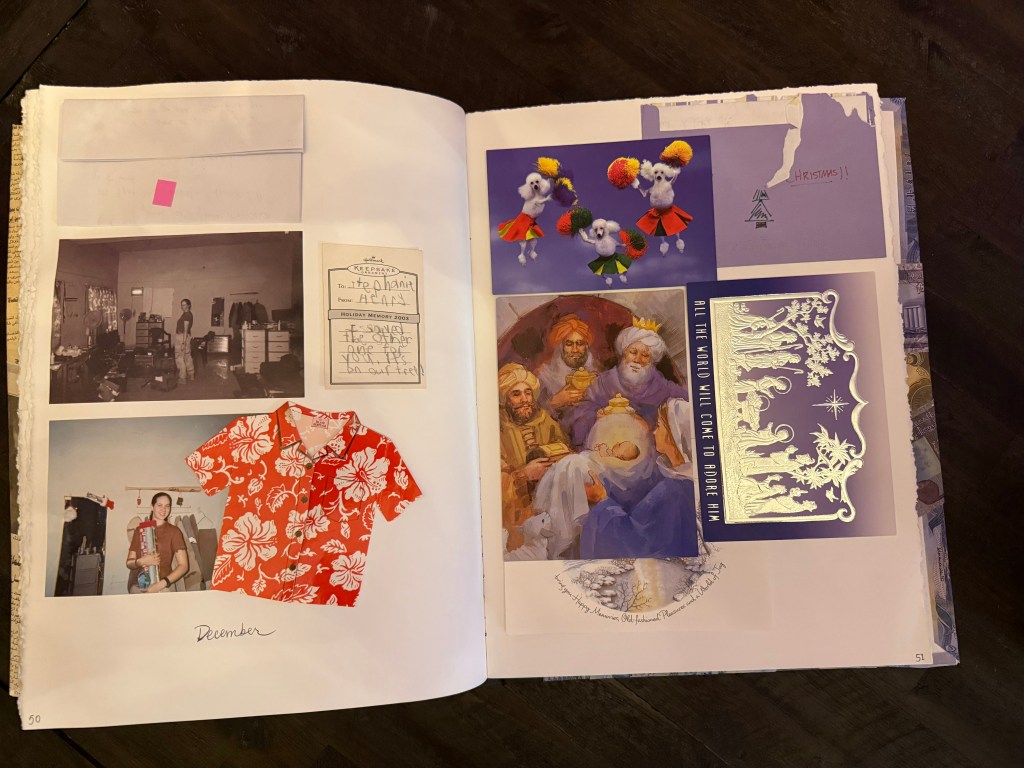
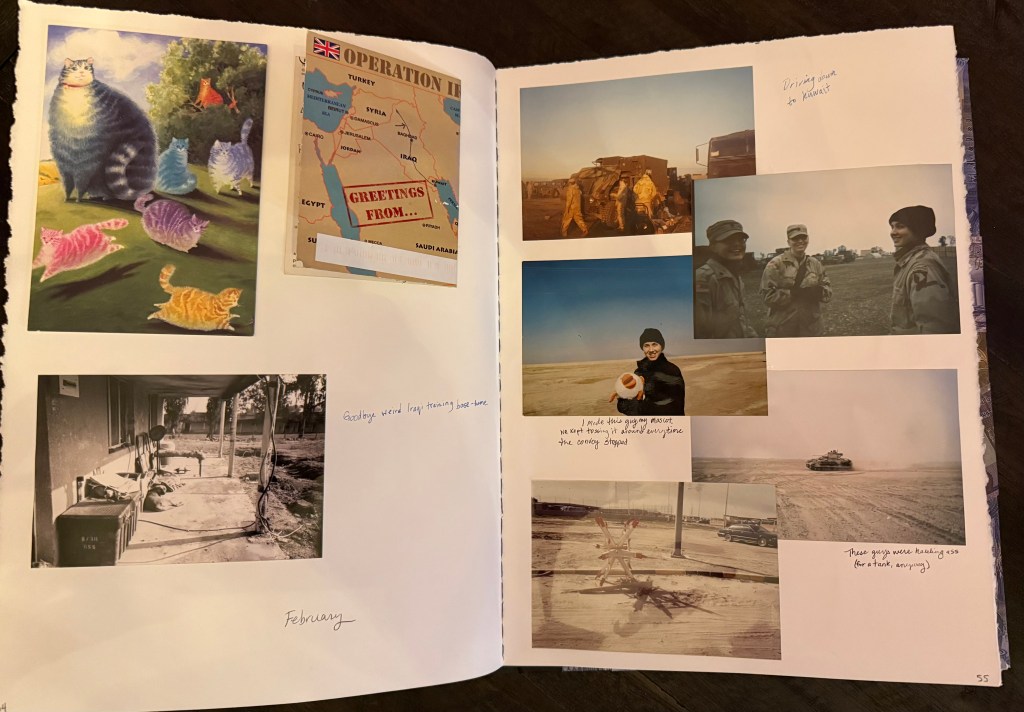
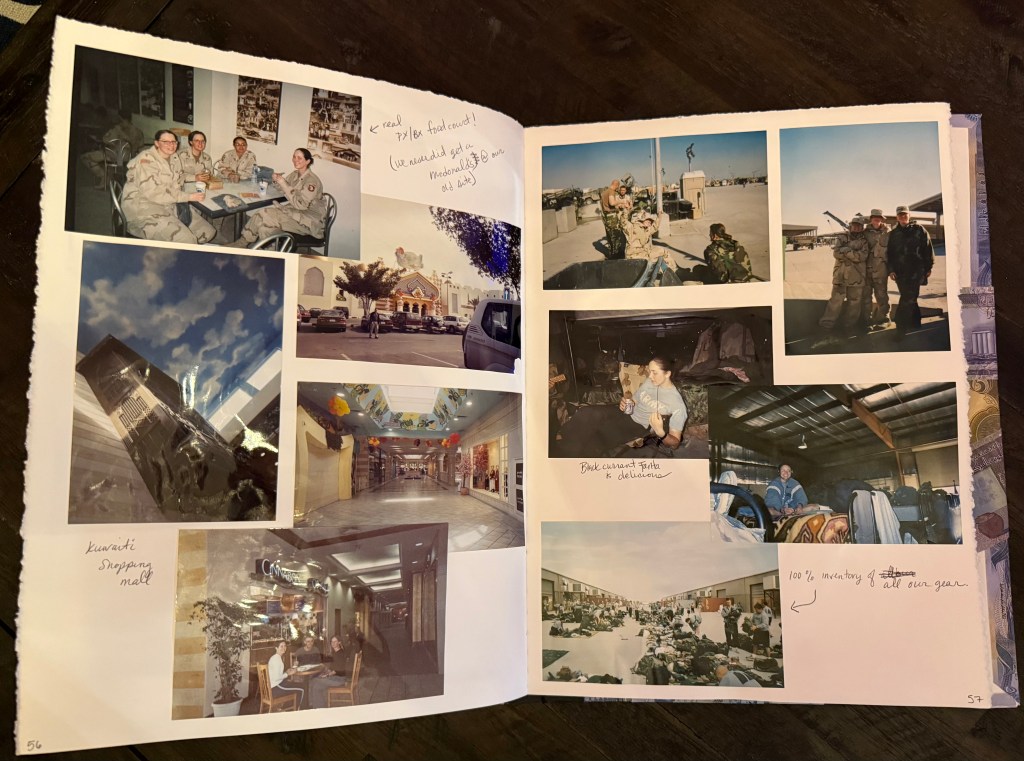
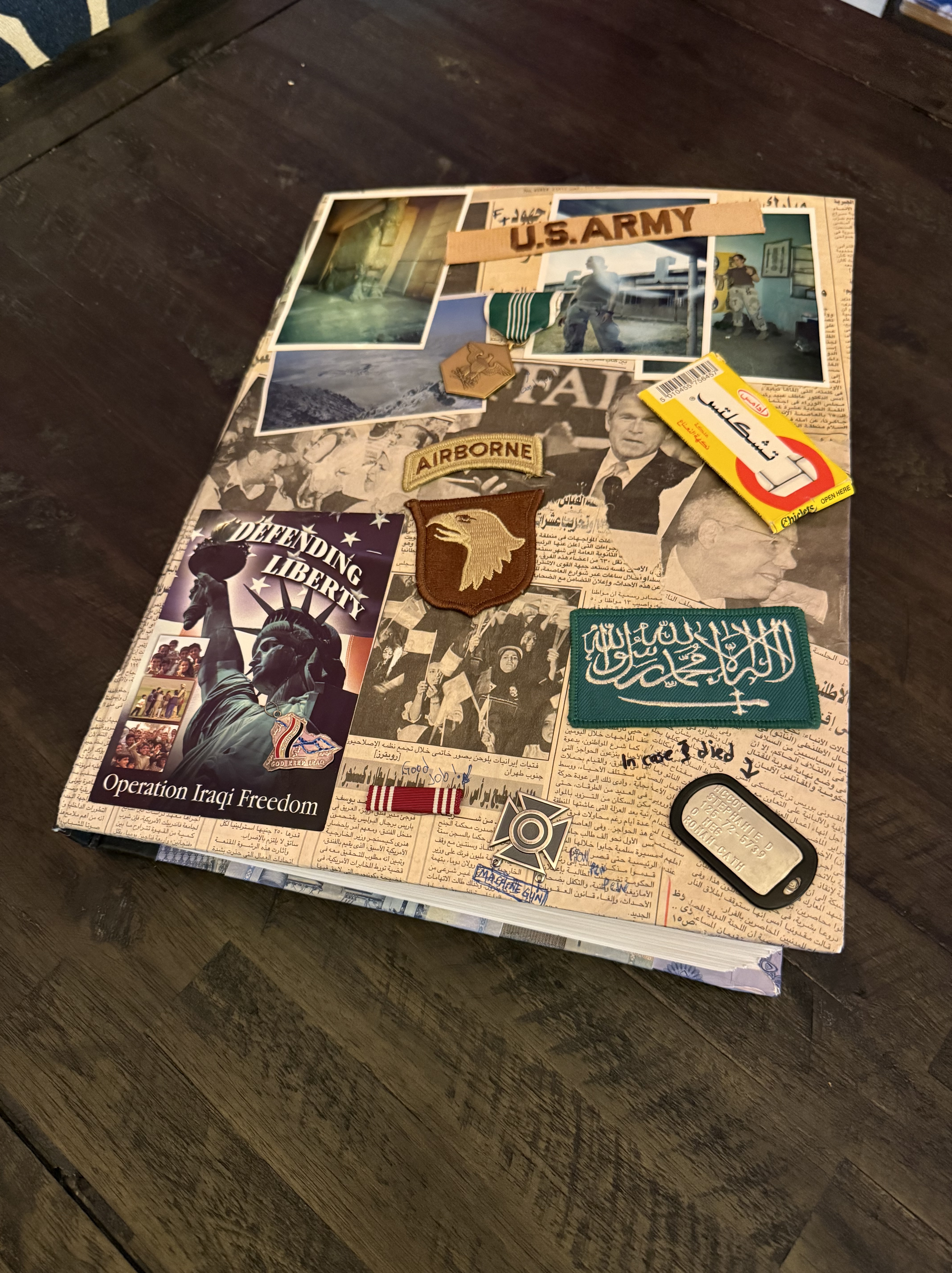
So. With my baby art spark, I decided I should definitely tackle a pile of correspondence from one of the most difficult and defining years of my life and make a fucking art project out of it.
Of course I should.
So I did it – and surprise surprise! It was mentally and emotionally exhausting. Reading through a year of letters and images documenting my wartime experiences was rough. There are things I hadn’t even remembered – like getting a contractor fired for sexually harassing me- imagine how much worse everything else was for me to forget something like that – haha lol…

Anyway, what this project did do for me was remind me that I fucking sacrificed my best years to the Army, and I stopped believing in a higher power after witnessing some pretty terrible shit. And unrelated/related, I was sexually assaulted and then stalked by a fellow soldier for 2 years after I got home from a combat zone, so I was pretty fucked in the head for all of my twenties – and a pretty good chunk of my thirties too.

What it also did for me was make me angry that everything I did and witnessed and experienced was for what now? – I mean, I knew that before I guess, but the realization that this administration is trying to condition the public to see us as disposable makes the terrible things that happened to us – and the terrible things some of us had to do – even more pointless. We are useful for war, but a drain on society when we come back. I suppose it doesn’t go without saying anymore that we as a nation cannot send people to war and then throw them away when they come back all fucked up if we want to maintain an adequate fighting force.

The VA was making huge improvements in reducing veteran suicide, and increasing access to healthcare for veterans who experienced toxic exposure and other deployment-related injuries. They were caring for all of us, including women and trans veterans. And it felt so wonderful to be purposefully included. It was restorative and hopeful. The message was clear: we weren’t going to be left behind and we earned our benefits through our service the same as our male counterparts did.

Well all that’s out the fucking window. And now because of all the cuts DOGE/Musk is making, I don’t know if I’ll be able to keep my next mental health appointment because my provider might not have a job by then. I don’t know if someone will look at my disability payments and think, hmm that seems a little generous – you don’t need VA disability and social security. And when you add that kind of stress to people who rely on these programs to survive because they can’t function like a normal person after experiencing traumatic shit, it makes everything else (PTSD, depression, anxiety, survivor’s guilt, etc.) 100 times worse. 

As the title says, I am alive because of VA services. I can function and be happy and have a stable life due to VA services and benefits. My kids are thriving because I can provide for them with my disability benefits. But everything the VA made better in the last few years is rapidly being torn apart. The message is loud and clear – we don’t matter anymore.

In short, this project reminded me that I actually sacrificed a lot for my country, and I’m so fucking angry that this administration seems hellbent on fucking ruining everything. Please call your representatives and tell them to stop dismantling the organization that is saving the lives of people who went to war for them. VA saves lives and radically improves the lives of those who were in combat and/or experienced sexual violence (frequently at the hands of their fellow service members, which adds a whole extra level of mind fuckery). The VA provides mental health services, and 24 hour crisis lines, and really good medical care, and community outreach, and housing, and stable incomes, and a sense of security that -after years of struggling with depression and suicidal ideations – allowed me to feel like maybe things were going to be ok.

…well not anymore.

fuck.


https://5calls.org/
https://www.congress.gov/most-viewed-bills
https://www.usa.gov/elected-officials
https://resist.bot/
Patriotism and the Blue Angels

“If you don’t like the Blue Angels, you don’t like America.” – A Facebook comment in response to a Seattle photographer’s misgivings regarding military demonstrations and recruitment tactics at Sea Fair.

After returning home from Iraq in 2004 I avoided crowded places. Concerts and festivals were out of the question – the throngs of people and loud noises kicked my fight/flight response into high gear. Sporting events and air shows were another no-go; flyovers from fighter jets after the national anthem once inspired in me a sense of awe and swelling patriotism – after my deployment, however, I was only reminded of war. The piercing roar of jet engines would cause my heart rate to skyrocket and a tightly coiled knot of anxiety and panic would gather at the base of my skull making every nerve ending in my body buzz.

But my post-deployment aversion to the fighter jet flyover wasn’t just rooted in the physiological response it provoked, but also in the underlying message: To be a patriot, one must love (and be in awe of) the Armed Forces.

The idea of the Blue Angels is, at its surface, a nice wholesome message of seemingly traditional Americana. Look at our technology! Look at our might! Look at the discipline and excellence of our Navy pilots!

And those pilots are tremendously skilled and disciplined – in operating equipment that is primarily designed to kill human beings.

Think about that.

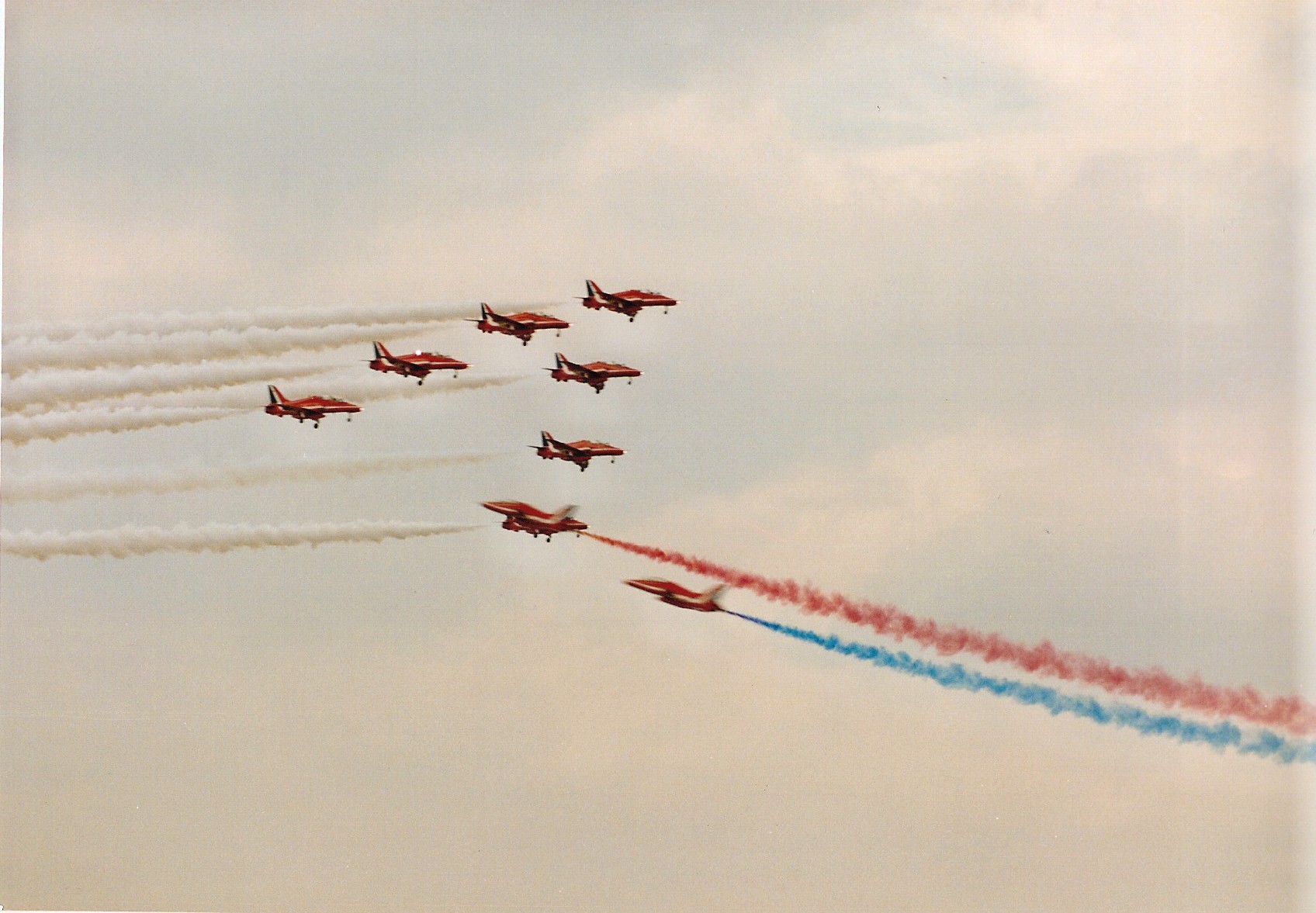
Each time the Blue Angels (or any military fighter jets) fly in formation overhead, it is a demonstration of America’s capacity to kill. In connecting our feelings of patriotism with our admiration for the capabilities of the Department of Defense, we’re essentially conditioned to conflate one feeling with the other. And a major sporting event isn’t considered complete without a military fighter jet formation flyover to conclude our national anthem. Each time military fighter jets fly over the Super Bowl, the World Series, and thousands of other events across the country, it serves as a way to reinforce the connection between our national identity and our military supremacy.

Red-White-Blue Deadly Patriots

So what? Isn’t military supremacy a part of our American heritage?

Yes, the US Military has been an integral part of US history (a history that was shamefully introduced with the genocide of Native Americans). But is employing the US war-making apparatus as central to our national identity actually a good thing? In the past we celebrated the return of our veterans from WWI and WWII and then helped them find their way back home with education and housing programs. As a nation, we began the work to right injustices that existed for people of color and women and those in poverty through numerous civil rights acts and social justice reforms. National protests brought our soldiers home from Vietnam. Our pride and heritage was centered on celebrating and bettering the lives of individual Americans.

Now the way we celebrate our country has morphed into a quasi-worship of the Armed Forces. “Support the troops” tropes have supplanted connections with actual veterans, and those Americans who question the value or need for increased defense budget allocations or preemptive military actions are in turn accused of lacking patriotism.

It’s a disturbing shift.

In much the same way US Military fighter jets have been incorporated into numerous American celebrations, at those same events the American flag is almost always carried out by service members or veterans, nameless and faceless in their uniformed number, merely a representation of the larger organization. Under the pretext of honoring veterans, the American flag is repeatedly associated with conflict and war. And at these events, are we really honoring the individuals who served? Do we learn about their favorite past times, their families, or their goals for the future? Almost always the answer is “no”. The Veteran or The Service Member is simply a placeholder meant to keep in the forefront of our minds the ever present connection between America and its fighting forces.

There are many other ways to celebrate the vast array of traditions and diversity in the United States without incorporating a demonstration of military power. Rather than watching nameless and faceless uniformed troops unfurl our colors at national sports events, imagine seeing elementary students or family members of the local team carry out our American flag. Perhaps instead of incorporating fighter jet flyovers after the national anthem, we could honor first-generation college graduates or recently naturalized American citizens.

While the US Military and American identity are connected historically, they aren’t inextricable. Celebrating our national heritage does not require that we also celebrate our ability to make war. Our national pride is not inseparable from our military might, and I argue that we will act as better Americans (and better plan for a peaceful future) if we do separate our national identity from our military capacity.

Women in combat?

“The more we treat service members equally, the more likely they are to treat each other with respect.”

From Military: Women to take combat roles by 2016

The most common arguments among those who oppose women in combat:

  1. Women soldiers will be raped.
  2. The average American female cannot meet the current infantry requirements.

Argument #1Women soldiers will be raped.

Unfortunately, this is already happening in all branches of the military (it’s also happening to more male service members than female service members). Integrating women into combat units may very well result in additional sexual assaults and harassment, the expected backlash of a significant cultural shift in a male-centered organization. But as the good ol’ boys are cycled out, and new recruits join a military where women are already commonplace in combat arms units, the level of respect for the women serving at their side will match the respect they feel for their brothers in arms. Women will no longer be seen as the second class citizens as they are viewed now. Their service and sacrifice will be recognized as equal, and their contributions will be valued, rather than seen as a “politically correct liberal experiment”.

Read this excellent article that delves into the common misconceptions about Military Sexual Assault (MST): http://www.thedailybeast.com/articles/2013/06/04/seven-misconceptions-about-military-sexual-assault.html

Rapes occur on college campuses too. Should we ban women from obtaining an education at co-ed universities?  Or should we address the root cause of sexual assaults in both the military and in the greater population: A lack of respect and recognition as humans of equal value and standing.

Argument #2 The average American female cannot meet the current infantry requirements. 

Guess what? Neither can the average American male. Standards will be established, and those standards will preclude the vast majority of people who apply. If women can meet the standards, there is no viable reason to exclude them from combat positions.

I am 5’8″, already taller than the average male height (global), and an inch shy of the average here in the US. I consistently scored 70-80% on the Male standards for physical fitness during my enlistment. My physical conditioning at that time likely exceeded that of a huge chunk of the male civilian population and probably a large number of male service members. I carried a pack, M-249, 600 rounds of ammunition, and full body armor.

I wasn’t even close to being the most physically fit female in my battalion either.

I’m not anticipating a huge flood of women will sign up for combat MOSs, but those that do should be given the same opportunity to succeed or fail as their male counterparts. “Women don’t belong in the Infantry” just isn’t cutting it anymore.